Have you ever walked through an ancient city and felt the whispers of history all around you, wondering about the incredible stories that shaped its very foundations?
Jordan is a place that truly takes you on such a journey, a land where civilizations have risen and fallen, leaving behind an astonishing tapestry of events that have profoundly influenced the world.
From the Nabataeans carving Petra into rose-red cliffs to the echoes of Roman legions and early Islamic caliphates, this nation’s past is a treasure trove of human endeavor and resilience.
I find myself constantly captivated by how these ancient sagas still resonate in modern-day Jordan, offering powerful insights into our shared global heritage.
Dive in with me as we uncover the defining moments that have woven the rich, vibrant fabric of Jordan’s compelling history.
Carving Civilizations from Desert Sands
Stepping onto Jordanian soil, you can almost feel the ancient spirits stir beneath your feet. It’s a sensation I’ve experienced time and again, a profound connection to the countless civilizations that have left their indelible marks here. Long before the Roman legions marched or Islamic empires rose, this land was a crucible of human ingenuity and adaptation. Imagine nomadic tribes, their lives dictated by the rhythm of the desert, gradually finding ways to settle, to build, and to thrive in what might seem to us an unforgiving landscape. It wasn’t just about survival; it was about creating something enduring, something spectacular, that defied the very elements. You really get a sense of this when you explore the ancient sites, picturing these early inhabitants, their daily struggles, and their remarkable achievements. It makes you feel incredibly small in the grand scheme of things, yet so deeply part of a continuous human story. Their legacies are not just dusty ruins; they are vibrant testaments to the power of the human spirit to innovate and endure, forever etched into the very fabric of this incredible country.
The Enigmatic Nabataeans and Petra’s Grandeur
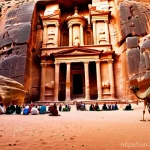
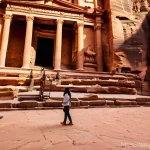
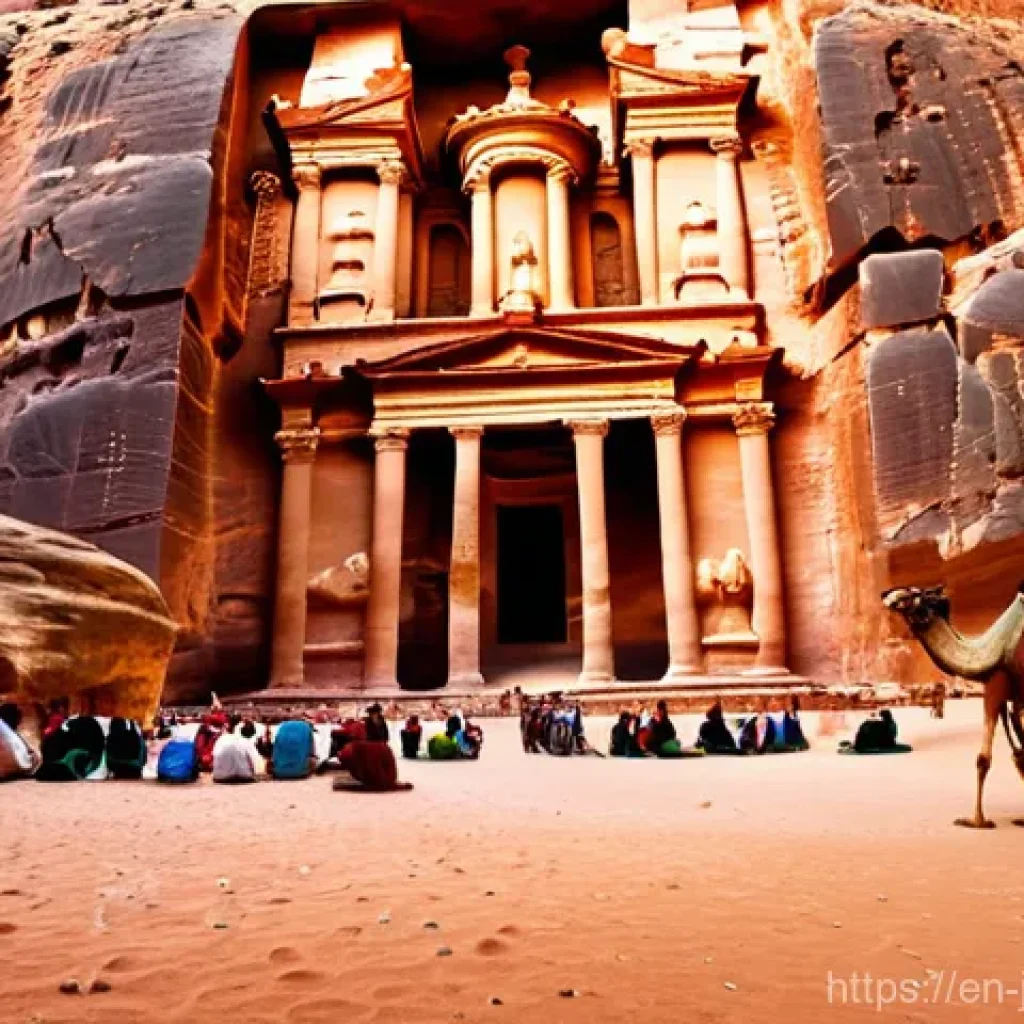
Honestly, if there’s one place that truly captures this spirit, it’s Petra. When you first catch a glimpse of the Treasury through the narrow Siq, it’s nothing short of breathtaking – a moment that always gives me chills, no matter how many times I’ve seen it. The Nabataeans, those incredible desert nomads, weren’t just skilled traders moving frankincense and myrrh along the ancient routes; they were master architects and hydrologists, carving an entire city out of rose-red cliffs around the 4th century BCE. Their capital, Raqmu (what we call Petra), wasn’t just a place to live; it was a statement of their wealth, their power, and their unparalleled artistic vision. Think about it: a thriving metropolis in the middle of the desert, sustained by ingeniously designed water conservation systems. They built dams, canals, and reservoirs that allowed them to flourish where others would simply perish. I remember walking through the Royal Tombs, feeling the sheer scale of their ambition, and wondering about the lives of the thousands who called this rock-hewn city home. It’s an experience that truly redefines what you think is possible. Their unique culture, a beautiful blend of native traditions with Hellenistic, Egyptian, and Mesopotamian influences, shines through every facade and carving, speaking volumes about a people who embraced the world around them while retaining their distinct identity. Even after Rome annexed their kingdom in 106 CE, the allure of Petra endured, a silent, majestic testament to their extraordinary legacy.
Echoes of Early Kingdoms: Ammonites, Edomites, and Moabites
But the Nabataeans weren’t the first, nor the only, significant players in this ancient drama. Jordan’s story stretches back much further, into the mists of the Bronze and Iron Ages, when the lands east of the Jordan River were home to a mosaic of smaller, yet equally fascinating, kingdoms. I’ve always been fascinated by how these seemingly regional entities, like the Ammonites, Edomites, and Moabites, carved out their existence and left their own unique marks on the landscape. Take the Amman Citadel, for example, right in the heart of modern Amman. It’s a place where you can literally dig through layers of history, with ruins dating back to the Bronze Age. Standing there, looking out over the sprawling city, you realize this strategic hilltop has been a center of power for millennia, witnessing the rise and fall of countless generations. These ancient peoples were resilient, adapting to their environments, establishing trade routes, and engaging in both cooperation and conflict with their neighbors. Though their empires have long faded, the archaeological remnants at sites like Madaba, where intricate mosaics tell stories of daily life and religious devotion, offer us precious glimpses into their vibrant cultures and deep connections to the land. Their narratives, often interwoven with biblical accounts, provide a foundational layer to Jordan’s complex historical tapestry, reminding us that this region has always been a crossroads, a melting pot of peoples and ideas.
When Legions Marched: Rome’s Enduring Imprint
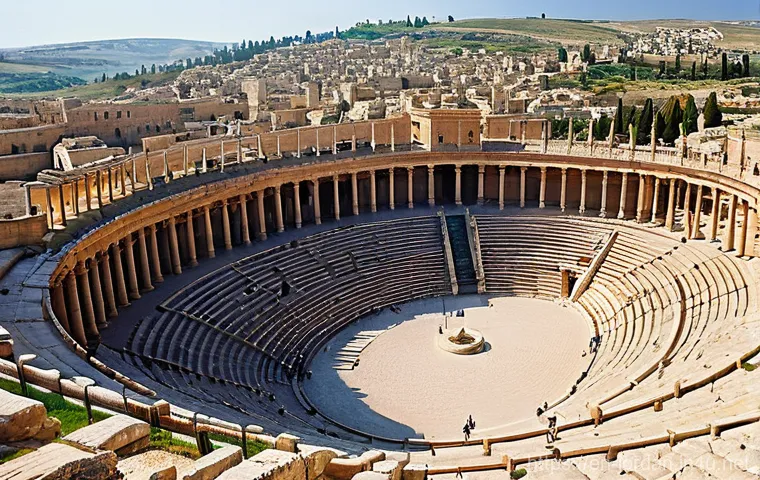
The transition from these local kingdoms to the mighty Roman Empire must have been quite a shift, and I can only imagine the awe and perhaps apprehension the local populations felt as the legions arrived. Rome, with its unparalleled military might and sophisticated administrative systems, certainly left an indelible mark on Jordan, one that’s still strikingly visible today. From 63 BCE onwards, when General Pompey swept through the region, much of what is now northern Jordan became integrated into the Roman Province of Syria. It wasn’t just about military occupation; it was a profound cultural infusion. You see it everywhere – the grand architecture, the intricate city planning, the very way life was organized. I remember my first visit to Jerash, often called the “Pompeii of the East,” and being absolutely stunned by how well-preserved it is. It’s not just a collection of ruins; it’s a sprawling city that vividly brings the Roman world to life. Standing in the Oval Plaza, imagining the bustling markets and public gatherings, or walking down the colonnaded streets, you truly feel transported back in time. It’s a powerful reminder that history isn’t just dates and names; it’s the lived experiences of people, echoes of which still resonate in these magnificent structures.
The Flourishing Decapolis and Jerash’s Splendor
The Romans were incredibly adept at urban development, and their presence ushered in an era of prosperity for many Jordanian cities, particularly those that formed part of the famed Decapolis. This League of Ten Cities, established in the 1st century BC, wasn’t just a defensive alliance; it was a cultural and economic powerhouse, a testament to Greco-Roman influence spreading across the region. Jerash, known as Gerasa in Roman times, stands as the crowning jewel of this period, and it’s a place I recommend to everyone. The sheer scale of its ruins – the monumental Hadrian’s Arch, the massive hippodrome, the two grand theaters, and those iconic colonnaded streets – is simply astounding. It truly was one of the greatest provincial cities in the Roman Empire, and to walk its ancient thoroughfares is to witness Roman urban planning at its finest. You can almost hear the chariots clattering and the crowds cheering in the hippodrome! What always gets me is the intricate detail in the carvings and the engineering marvels that allowed such a city to thrive. Another gem is Umm Qais, ancient Gadara, perched atop a hill with breathtaking views of the Sea of Galilee. It’s a bit more rugged than Jerash, but equally atmospheric, offering a different perspective on Roman life with its own theaters and colonnaded streets. These sites are not just archaeological wonders; they are vibrant classrooms where history truly comes alive, allowing us to connect with a powerful empire that shaped so much of the world we know today.
A Crossroads of Cultures: Roman Administration and Local Life
What often gets overlooked amidst the grandeur of Roman architecture is the complex interplay between the imperial administration and the local populations. The Romans, while imposing their rule, also allowed for a significant fusion of local and incoming cultural elements, which is really fascinating to observe. Jordan, then largely designated as Byzantine Arabia in its later stages, became a vibrant melting pot. Cities like Philadelphia (modern Amman) also flourished, boasting impressive Roman structures like the magnificent amphitheater that still dominates the city center today. This wasn’t just a military outpost; it was a fully integrated province that saw new towns and villages established, bringing increased trade and prosperity. I find it intriguing to think about how daily life would have unfolded in these Roman cities, with the local traditions and languages blending with Latin and Greek. It speaks volumes about the Roman ability to govern diverse populations and assimilate them into their vast empire, even while allowing for regional specificities. The local economy, particularly agriculture in areas like the Hawran plains, thrived, producing wheat, barley, olives, and fruits, demonstrating a sophisticated system of resource management. The remnants of Roman roads and forts, stretching across the landscape, are a constant reminder of their strategic control and the networks that connected these thriving urban centers, truly weaving Jordan into the fabric of one of history’s most influential empires.
From Christian Dominance to Islamic Zenith: Shifting Spiritual Tides
As the Roman Empire eventually gave way to its Eastern counterpart, the Byzantines, Jordan found itself at another pivotal crossroads, this time of faith and shifting imperial power. It’s quite remarkable how quickly the religious landscape transformed, moving from the paganism of earlier eras to the widespread adoption of Christianity, only to see the dramatic and swift emergence of Islam. You can literally trace this evolution through the archaeological sites and the very fabric of the country. For centuries, Jordan was a predominantly Christian land, dotted with churches and monasteries, a testament to the thriving communities that existed here. Then, almost in a blink of an eye, the sands shifted, and a new spiritual and political force emerged from the Arabian desert, forever altering the course of history for this region. It’s a powerful narrative of change, adaptation, and the enduring human quest for faith and community that, when you experience it firsthand, really makes you ponder the transient nature of empires and the enduring power of belief systems to shape civilizations.
Byzantine Grandeur and the Rise of Christianity
The Byzantine period, spanning from 324 AD until the early 7th century, marked a significant era of prosperity and growth for Transjordan. With Constantinople as the new capital, and Emperor Constantine’s conversion making Christianity the recognized religion of the empire, Jordan became a vibrant center of Christian life. Churches and chapels, many adorned with exquisite mosaics, began to dot the landscape, often built upon the foundations of older Roman settlements. Madaba, famously known as the “City of Mosaics,” is a prime example, boasting the oldest known map of the Holy Land, intricately crafted in mosaic within the Church of St. George. This period wasn’t just about religious conversion; it was an age of urban flourishing, where cities continued to expand and the population boomed. I remember standing in one of the ancient churches, feeling the quiet reverence, and thinking about the communities that gathered there, their lives centered around their faith. It was a period of strong economic activity, too, largely driven by agriculture, with the Hawran plains being a major breadbasket for the region. The Byzantine era truly laid a rich cultural and religious groundwork, showcasing a blossoming society before the next great transformation arrived.
The Umayyad Legacy: Desert Castles and a New Era
Then came the seismic shift with the advent of Islam in the 7th century. The Muslim armies, after a decisive victory over the Byzantines at the Battle of Yarmouk in 636 CE, swiftly integrated the region into the burgeoning Islamic Caliphate. This ushered in the Umayyad period (661-750 CE), a time when Jordan, due to its proximity to the new capital in Damascus, experienced another golden age. What truly fascinates me from this era are the iconic “desert castles.” These aren’t your typical European fortresses; they were often hunting lodges, bathhouses, or agricultural estates, scattered across the eastern desert, showcasing the opulence and architectural innovation of the Umayyad caliphs. Qasr Amra, with its stunning frescoes, and Qasr Kharana, a magnificent fortified structure, are just a couple of examples that transport you to a very different kind of royal life. Walking through these desert palaces, I always find myself marveling at the artistry and imagining the vibrant court life that unfolded within their walls, far from the bustling cities. It was a time when Arab-Islamic culture flourished, leaving behind a unique blend of art and architecture that speaks volumes about the dynamism of this early Islamic empire. After the Abbasids moved the capital to Baghdad in 750 CE, Jordan became more of a backwater, but the Umayyad legacy, particularly these desert castles, remains a profound and beautiful part of its heritage.
Clash of Empires: Crusaders, Mamluks, and the Ottoman Grip
Jordan, always at a geographical crossroads, inevitably became a focal point for successive empires, each leaving their mark in their own distinct way. The medieval period, in particular, was a tumultuous time, a grand chess match between Eastern and Western powers that saw the construction of magnificent fortresses and the shifting of allegiances. From the Crusader castles, stark and imposing against the dramatic landscape, to the later consolidation of power under the Mamluks and the long, slow embrace of the Ottoman Empire, this era is a fascinating study in resilience, conquest, and the intricate dance of regional politics. It’s not just about grand battles; it’s about the everyday lives of people caught between these colossal forces, adapting and enduring. When I explore these historical layers, I’m always struck by the sheer determination of the people who built and lived in these structures, their stories often whispered by the stones themselves, telling tales of defense, trade, and cultural exchange that shaped the very identity of this land.
Fortresses and Faith: The Crusader Strongholds
The Crusades brought a completely new dimension to Jordan’s historical narrative. From the early 12th century, European Crusaders arrived, establishing strongholds that became vital to their control of the Levant. Karak Castle, perched dramatically on a hilltop overlooking the town of Al-Karak, is perhaps the most iconic of these. Walking through its labyrinthine passages, you can almost feel the presence of knights and soldiers, imagining the epic sieges and skirmishes that took place here, particularly against the legendary Saladin. It was built in the 1140s and became a key administrative and military center for the Crusader lordship of Oultrejordain. Reynald of Châtillon, a rather infamous Crusader lord, used Karak as his base to harass Muslim caravans, even daring to threaten Mecca itself. This defiance ultimately led to its capture by Saladin in 1187 after a lengthy siege, marking a pivotal moment in the Crusader era. Another impressive Crusader castle is Shobak, also known as Montreal, a bit further south. Though now more ruinous, its strategic position commanding the route between Egypt and Syria speaks to its original importance. These castles aren’t just remnants of a bygone conflict; they are powerful symbols of a time when East and West collided, leaving behind architectural wonders that continue to inspire awe and curiosity.
Resilience and Rebuilding: Mamluk and Ottoman Eras
Following the Crusader period, Jordan came under the formidable rule of the Mamluks in the mid-13th century, who, after recapturing many of the Crusader fortresses, often renovated and extended them, leaving their own distinct architectural stamp. Karak Castle, for instance, underwent significant enhancements under Mamluk Sultan Baibars in 1264, including robust fortifications that transformed it into an even more formidable stronghold. The Mamluks were keen on securing trade routes and pilgrimage paths, and their control brought a new layer of stability and strategic importance to the region. I’ve always been struck by the continuity of purpose in these historical sites; a strategic location remained strategic, just under new masters. Later, from the 16th century, Jordan became part of the vast Ottoman Empire, a rule that would last for approximately four centuries. While perhaps not as marked by monumental constructions as earlier periods, the Ottomans maintained garrisons in places like Ajloun Castle and controlled key areas, though much of Jordan slowly returned to a more Bedouin way of life, especially away from the main administrative centers. The Ottoman period saw the construction of the Hijaz Railway, connecting Damascus and Mecca, which, while meant to facilitate troop movement and pilgrimage, also stirred early Arab nationalist sentiments. This long stretch of history showcases the incredible resilience of the land and its people, constantly adapting to new overlords while retaining their distinct cultural identity.
A Spark in the Desert: The Great Arab Revolt’s Call for Freedom
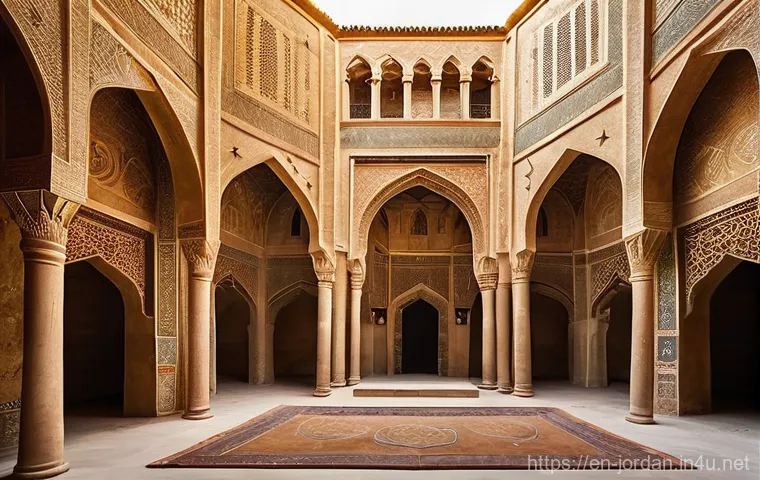
Imagine a world on the brink, where long-standing empires are crumbling, and new ideologies are taking hold. That’s the stage upon which one of Jordan’s most defining moments unfolded: the Great Arab Revolt. It wasn’t just a regional skirmish; it was a profound movement, a collective cry for self-determination and dignity that resonated across the Arab world, sparked by a yearning to break free from centuries of Ottoman rule. This period always strikes me as incredibly poignant, a time when ideals of unity and independence burned brightly against a backdrop of global conflict. It’s a story of courage, sacrifice, and the enduring human desire to forge one’s own destiny. When you hear the tales of Lawrence of Arabia and the Bedouin fighters, it’s easy to romanticize, but beneath the legend lies a very real struggle for identity and sovereignty that laid the fundamental groundwork for modern Jordan. Experiencing the vastness of Wadi Rum, where much of this history played out, truly brings home the incredible challenges and epic scale of this pivotal moment.
Uniting for a Vision: Sharif Hussein and the Fight Against Oppression
The year 1916 marked the eruption of the Great Arab Revolt, a direct response to the decline of the Ottoman Empire and the burgeoning Arab nationalist sentiment. At its heart was Sharif Hussein bin Ali, the Sharif of Mecca, who, with the backing of the British (albeit with complex and often contradictory promises), launched a rebellion aimed at creating a unified, independent Arab state stretching from Aleppo to Aden. His sons, particularly Abdullah and Faisal, led the Arab forces, engaging in daring guerrilla warfare against Ottoman garrisons. The Battle of Aqaba in July 1917, a strategic victory for the Arab forces, was a major turning point, opening up crucial supply lines and shifting the main frontier of the revolt from Hijaz to southern Syria. This was more than just a military campaign; it was a rallying cry that brought together diverse Arab tribes and communities under a common banner, fostering a sense of shared belonging and national identity that continues to resonate in Jordan today. While the grand vision of a single, unified Arab state wasn’t fully realized due to subsequent geopolitical maneuvering, the revolt undeniably laid the groundwork for the eventual independence of several Arab nations, including Jordan. I find it incredibly inspiring how, even amidst the chaos of World War I, these leaders and their people had such a clear and powerful vision for their future.
The Scars of War and the Seeds of a Nation
Yet, like all wars, the Great Arab Revolt left its scars, and its aftermath was far from straightforward. While the Ottoman grip was broken, the promises of a unified Arab state were quickly superseded by the Sykes-Picot Agreement and the imposition of British and French mandates, carving up the Middle East into new spheres of influence. For the people of Transjordan, this meant a period under British administration, but it was also the crucial gestation period for a new national entity. Winston Churchill played a significant role in this, effectively severing Transjordan from Palestine and establishing it as an Arab country under the leadership of Emir Abdullah, Sharif Hussein’s son. This was a complex time, fraught with political maneuvering and the dashed hopes of many Arab nationalists, yet it undeniably set the stage for modern Jordan. The foundations of the Arab Army, later known as the Arab Legion, were also laid during this period, a force that would become central to the stability and defense of the emerging state. The revolt, despite its immediate outcomes, instilled a deep sense of national consciousness and solidified the historical connections between the Jordanian people and their liberation movement, proving to be a cornerstone of Jordan’s political legitimacy and national identity. It’s a powerful reminder that sometimes, even when grand visions aren’t fully realized, the act of striving for them can still plant the most profound seeds for the future.
Forging a Modern Kingdom: From Mandate to Sovereignty
The path from a post-revolt landscape to a fully independent nation was by no means smooth or simple for Jordan. It was a journey marked by careful navigation through colonial powers, regional conflicts, and the immense task of nation-building. I’ve always admired the tenacity with which the Hashemite leadership, particularly King Abdullah I, guided the nascent state through these incredibly turbulent waters. This wasn’t just about political declarations; it was about laying down institutions, fostering a sense of national identity among diverse populations, and securing a future in a volatile region. Imagine the challenges of establishing borders, building an economy, and gaining international recognition, all while dealing with the aftermath of one global war and the looming shadows of others. When you look at modern Jordan, you’re seeing the direct result of decades of careful, often difficult, choices made during this formative period. It’s a powerful testament to strategic leadership and the enduring spirit of a people determined to chart their own course in the world.
The Birth of Transjordan and British Influence
After the Great Arab Revolt, the area east of the Jordan River became the Emirate of Transjordan, a British protectorate established in 1921. This move, influenced significantly by figures like Winston Churchill, effectively separated Transjordan from the British Mandate for Palestine and set it on a distinct path. Emir Abdullah, son of Sharif Hussein, was installed as its ruler, and he immediately embarked on the monumental task of establishing a centralized governmental system. While British oversight remained strong, particularly in finance, military, and foreign policy, Transjordan gradually gained more autonomy. A key milestone was the formal recognition of Transjordan as a state under Emir Abdullah’s leadership by Britain in 1923, followed by a series of Anglo-Transjordanian treaties that progressively led to greater independence. One of the most significant developments was the formation of the Arab Army, later known as the Arab Legion, a highly effective military force trained and initially led by British officers, which became crucial for maintaining stability within the emirate. It’s fascinating to consider how these foundational decisions and structures, forged under British guidance, paradoxically enabled the eventual full sovereignty of the country.
Abdullah I’s Vision: Independence and Early Challenges
The culmination of this journey came on May 25, 1946, when the Hashemite Kingdom of Transjordan officially declared its full independence from Britain, with Emir Abdullah I proclaimed as King. This was a moment of immense national pride and a significant achievement, but the newly independent state faced immediate and formidable challenges. I remember reading about the euphoria of independence and then the abrupt harsh realities that followed. Just two years later, the 1948 Arab-Israeli War erupted, profoundly impacting Jordan. The war resulted in Jordan gaining control of the West Bank and East Jerusalem, formally annexing them in 1950, which more than doubled the country’s population, bringing in a significant wave of Palestinian refugees. This demographic shift and the ongoing regional tensions presented complex political and social hurdles for the young kingdom. Tragically, King Abdullah I, a visionary leader who pursued the idea of a “Greater Syria” and even held secret peace talks with Israel, was assassinated in 1951. His successors, including his grandson King Hussein, had to navigate a challenging regional landscape, marked by political instability and further conflicts. The early years of independence were a real trial by fire, but they forged a resilient nation with a deep commitment to its identity and stability, setting the stage for the Jordan we know today.
Jordan Today: A Tapestry Woven Through Time
It’s truly incredible to witness how all these historical threads—from the ancient Nabataeans to the Roman legions, the Byzantine mosaics, the Islamic desert castles, the Crusader fortresses, and the transformative Great Arab Revolt—have converged to create the vibrant, resilient nation that is modern Jordan. When I visit, I don’t just see a country; I see a living tapestry, each era adding its unique color and texture. It’s a place where history isn’t confined to museums but is alive in the bustling souks, the laughter of children playing amidst Roman ruins, and the enduring hospitality of its people. This deep historical legacy isn’t just a point of pride; it’s a foundational element of Jordanian identity, shaping its foreign policy, its cultural values, and its unwavering commitment to peace and stability in a often-turbulent region. Understanding this rich past is absolutely essential to appreciating the Jordan of today, a country that has managed to hold onto its heritage while bravely stepping into the future, always welcoming visitors with open arms and a story to tell around every corner.
Navigating Modernity: Challenges and Triumphs
Modern Jordan, under the leadership of King Abdullah II, has continued to navigate a complex regional and global landscape, always striving for peace and stability. The 21st century has brought its own set of challenges, from the global financial crisis of 2008 to the profound impact of the “Arab Spring” in 2011, which saw Jordan absorb a significant influx of refugees, particularly from neighboring Syria. These events placed immense strain on the economy and infrastructure, yet Jordan has consistently proven its resilience and humanitarian spirit. I’ve personally seen how the country, despite its limited natural resources, has demonstrated incredible adaptability and a deep commitment to its people and its neighbors. The economic liberalization programs initiated by King Abdullah II aimed at fostering growth, and while facing setbacks, the vision for a prosperous and stable Jordan remains strong. The nation has also played a crucial role in regional diplomacy, advocating for peace and dialogue, a testament to its long-standing role as a bridge-builder in the Middle East. It’s a story of constant adaptation, of facing adversity with courage, and of a steadfast commitment to a brighter future.
A Living Legacy: How History Shapes Contemporary Identity
What truly fascinates me about Jordan is how its deep and layered history isn’t just something to be studied; it’s a living, breathing part of the national identity. The lessons learned from centuries of being a crossroads of civilizations have instilled a profound sense of pragmatism, hospitality, and cultural richness that defines the Jordanian people today. The Nabataean ingenuity, Roman administrative skills, Byzantine artistic flair, and Islamic scholarly traditions have all contributed to a unique national character. You see it in the way traditions are preserved, in the warmth of the people, and in the respect for diverse cultures and religions that coexist within its borders. The historical emphasis on trade and connecting diverse regions has naturally fostered a spirit of openness. When you sip tea with a local, you’re not just engaging in a friendly chat; you’re participating in a tradition that stretches back millennia, a testament to the country’s enduring role as a welcoming host. The pride in sites like Petra and Jerash isn’t just about tourism; it’s about connecting with a powerful heritage that informs who Jordanians are in the present. This strong connection to its past, coupled with a forward-looking vision, ensures that Jordan continues to be a truly unique and compelling destination, a land where every stone has a story, and every face reflects a rich and ancient lineage.
| Historical Period | Key Civilizations/Empires | Notable Sites/Legacies in Jordan |
|---|---|---|
| Pre-Classical (Bronze-Iron Ages) | Ammonites, Edomites, Moabites | Amman Citadel, early settlements (e.g., in Madaba) |
| Classical (4th C. BCE – 7th C. CE) | Nabataeans, Romans, Byzantines | Petra, Jerash, Umm Qais, Madaba (mosaics), Desert Castles (early elements) |
| Medieval (7th – 16th C. CE) | Umayyads, Abbasids, Crusaders, Mamluks | Umayyad Desert Castles (Qasr Amra, Kharana), Karak Castle, Shobak Castle |
| Ottoman (16th C. – early 20th C.) | Ottoman Empire | Hijaz Railway (portions), local administrative centers |
| Modern (early 20th C. – Present) | Hashemite Kingdom of Jordan | Independence monuments, modern Amman, national identity formation |
Wrapping Up
Phew, what a journey through time! I hope you’ve enjoyed tracing Jordan’s incredible historical narrative with me. It truly is a place where every step you take feels like a walk through a living museum, brimming with the echoes of ancient civilizations and the spirit of resilience. From the awe-inspiring Nabataean city of Petra to the grandeur of Roman Jerash, and the strategic Crusader castles, this land tells a story unlike any other. It’s been fascinating to see how each era has contributed to the vibrant, complex tapestry that makes up modern Jordan, a country that beautifully honors its past while embracing its future.
Good to Know
Here are a few handy tips I’ve picked up over my travels, especially if you’re planning to dive into Jordan’s rich history yourself.
1. Time Your Visit Wisely: Jordan gets pretty hot, especially during summer. The cooler spring (March-May) and autumn (September-November) months are absolutely ideal for exploring the ancient sites without melting. You’ll thank me later when you’re hiking around Petra!
2. Dress with Respect: While Jordan is generally open and welcoming, it’s a good idea to dress modestly, especially when visiting religious sites or more conservative areas. Think shoulders and knees covered – it shows respect for the local culture and makes you feel more comfortable.
3. Stay Hydrated, Seriously: Whether you’re in the desert or a bustling city, the dry climate means you’ll need to drink plenty of water. Carry a reusable bottle and keep refilling it. Trust me, a little dehydration can really ruin a day of exploration!
4. Consider a Local Guide: For places like Petra and Jerash, a knowledgeable local guide can really bring the history to life. They often have fascinating anecdotes and insights you won’t find in guidebooks, enriching your experience immensely and helping you connect on a deeper level.
5. Embrace the Hospitality (and the Food!): Jordanian people are incredibly hospitable. Don’t be surprised if you’re offered tea or invited to share a meal. And please, dive into the local cuisine! Mansaf, falafel, and kunafa are not just food; they’re an experience that tells another layer of Jordan’s story.
Key Takeaways
If there’s one thing I hope you take away from our exploration of Jordan’s history, it’s that this land is a living testament to human ingenuity and resilience. We’ve seen how countless civilizations, from the ingenious Nabataeans to the mighty Romans and the artistic Umayyads, not only survived but thrived in what might seem like challenging environments. The constant ebb and flow of empires, the clash of cultures, and the eventual forging of a modern, independent kingdom all highlight Jordan’s enduring role as a crossroads of civilizations. What struck me most, and what I hope resonates with you too, is how this deep, layered past isn’t just dusty old stories; it’s intrinsically woven into the very fabric of contemporary Jordanian identity. The warmth, the hospitality, the wisdom, and the unwavering commitment to stability you encounter today are all reflections of a heritage shaped by millennia of adapting, learning, and building. So, when you think of Jordan, remember it’s not just a destination; it’s an immersive journey through the heart of history, a place that continues to inspire and welcome with open arms.
Frequently Asked Questions (FAQ) 📖
Q: Given Jordan’s incredible past, what are some of the absolute must-see historical sites that truly bring its ancient civilizations to life?
A: Oh, this is such a fantastic question! When I first visited Jordan, I was absolutely blown away by how tangible the history felt, and honestly, pictures don’t even begin to do it justice.
If you’re looking to truly step back in time, Petra, the rose-red city carved by the Nabataeans, is an absolute non-negotiable. Walking through the Siq and seeing the Treasury emerge is a moment that will stay with you forever – I still get goosebumps just thinking about it!
Beyond Petra, you simply have to explore Jerash, often called the ‘Pompeii of the East.’ It’s one of the best-preserved Roman cities in the world, and wandering through its colonnaded streets, ancient theaters, and temples really gives you a vivid sense of daily life during the Roman Empire.
And for those fascinated by early Islamic history, the desert castles, like Qasr Amra with its incredible frescoes, offer a glimpse into the Umayyad caliphates.
Each of these sites tells such a unique part of Jordan’s story, and you really feel the layers of history beneath your feet. Trust me, these places aren’t just ruins; they’re living testaments to human ingenuity and resilience.
Q: You mentioned that Jordan’s history influenced the world. Can you share a bit more about how these ancient events from Jordan’s past have had such a profound global impact?
A: It’s true, isn’t it? It’s easy to think of history as something confined to borders, but Jordan was always a crossroads, a bridge between continents, and that’s precisely why its influence stretched so far.
Think about the Nabataeans, for example. While their architectural prowess in Petra is legendary, their real genius lay in controlling the ancient spice and incense trade routes.
They were literally connecting the East and West, facilitating the exchange of not just goods, but ideas, cultures, and even technologies that profoundly shaped economies and societies across the ancient world.
Then, of course, you have the Roman influence, which brought its legal systems, architecture, and administrative structures, echoing throughout subsequent empires.
And let’s not forget the Abrahamic faiths; Jordan is rich with sites significant to Judaism, Christianity, and Islam. The stories and events that unfolded here contributed directly to the foundational narratives of billions of people worldwide.
When I walked through Bethany Beyond the Jordan, I really felt that profound connection to a shared spiritual heritage. It’s truly mind-boggling to realize how much of our modern world has threads leading back to this relatively small but incredibly vital strip of land.
Q: How do these ancient sagas and historical events still resonate in modern-day Jordan? Is it just in the ruins, or does it impact daily life and culture?
A: This is perhaps my favorite aspect of visiting Jordan – it’s not just about the incredible ruins; it’s about how that rich history is still a living, breathing part of the country today!
From my personal experience, you can feel it in the deep sense of hospitality that Jordanians extend, a tradition that harks back to ancient Bedouin customs of welcoming travelers.
The very identity of the nation is profoundly shaped by its past as a place where diverse cultures met and coexisted. You’ll see echoes in the traditional foods, the vibrant patterns in handicrafts, and even in the way local communities preserve and cherish their heritage sites.
For instance, the Bedouin communities around Petra aren’t just living near history; they’re often direct descendants of those who have been there for centuries, carrying on traditions that feel incredibly ancient.
When you visit, you’re not just observing history; you’re often engaging with people whose lives are intrinsically linked to it. It gives modern Jordan a unique depth and resilience that I find truly inspiring.
It’s a country that proudly wears its history, not just as a museum piece, but as a vibrant part of its ongoing story.