Have you ever dreamt of truly disconnecting, leaving the daily grind far behind to embrace an adventure that touches your soul? For me, there’s nothing quite like the profound silence and breathtaking beauty of the desert, especially when you’re nestled deep within its embrace for a night or two.
My personal journey through Jordan’s incredible desert landscapes, specifically camping under those magnificent, star-dusted skies, was an experience that genuinely reshaped my understanding of peace and wonder.
It’s not just a trip; it’s an immersive dive into an ancient world, a chance to reconnect with both nature and yourself, far removed from the digital noise we all navigate daily.
If you’re craving that unique blend of raw adventure, serene beauty, and a truly authentic cultural encounter, you absolutely have to consider a desert camping expedition in Jordan.
It’s an experience I truly believe everyone deserves to have at least once, offering memories that last a lifetime and stories you’ll be eager to share.
Let’s explore everything you need to know to make your desert camping dreams in Jordan a stunning reality!
Well hello there, fellow adventurers! You know, there are some trips that just stick with you, weaving themselves into the fabric of your memory. For me, desert camping in Jordan, especially in the breathtaking Wadi Rum, is absolutely one of them.
It’s more than just a place; it’s an awakening, a chance to shed the everyday and rediscover a raw, untamed kind of beauty that’s honestly hard to find anywhere else on Earth.
I’m so excited to share all my insights, tips, and personal stories to help you plan your own unforgettable journey into the “Valley of the Moon.” Trust me, you’re in for a treat!
Navigating the Lunar Landscape: Choosing Your Wadi Rum Camp
Stepping into Wadi Rum feels like landing on another planet, an awe-inspiring vista of towering sandstone mountains and sweeping, rusty-red sand dunes that truly earned its nickname, the “Valley of the Moon.” When you’re planning your desert escape, the first big decision you’ll face is choosing where to lay your head. You see, Wadi Rum isn’t about pitching your own tent just anywhere; it’s about embracing the Bedouin way of life, even if just for a night or two, through one of their fantastic desert camps. I’ve heard stories of people trying to do their own thing, but honestly, the magic comes from the local expertise and hospitality. You’ve got options, from rustic, authentic Bedouin tents to full-on luxury “glamping” experiences in bubble domes with panoramic views. It’s so easy to get overwhelmed with choices, but I always tell people to think about what kind of experience they truly crave. Do you want to feel totally immersed in tradition, or are you looking for a more comfortable stay with modern amenities? Both are available and both offer incredible starry nights. During my own trip, I opted for a mid-range camp that balanced authenticity with just enough comfort, and I truly felt it was the perfect sweet spot for a genuine yet relaxing adventure. Knowing what to expect makes all the difference, so let’s dive into the types of camps you might encounter and what makes them unique.
Authentic Bedouin Camps: Simplicity and Immersion
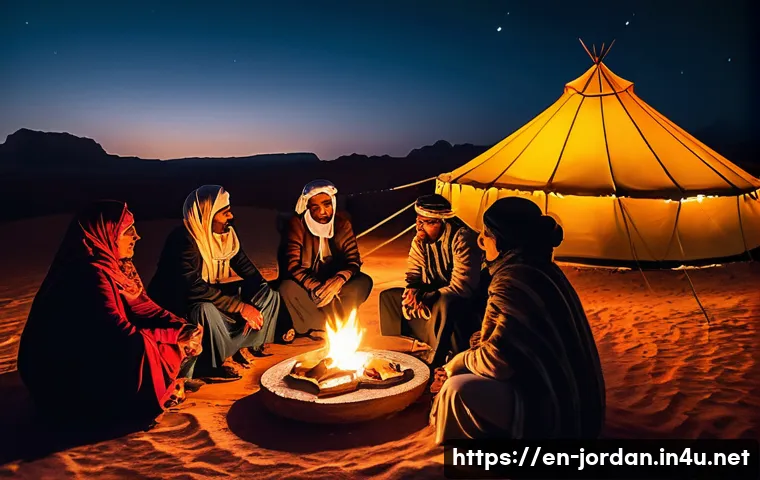
For those who really want to feel the pulse of Bedouin culture, the traditional camps are an absolute must. Think simple, goat-hair tents, often with basic bedding or sleeping mats, and shared bathroom facilities. It’s not about luxury here; it’s about connection. These camps typically offer communal meals around a fire, where you can share stories with fellow travelers and your Bedouin hosts, often accompanied by sweet Bedouin tea. I vividly remember sitting around a crackling fire one evening, listening to our guide, Ali, share tales of the desert under a sky so clear the Milky Way was a dazzling ribbon above us. That kind of experience is priceless. You might find some camps are more remote, offering profound silence, while others might be closer to the village and a bit livelier. If you’re a light sleeper, earplugs might be a good idea, as desert dogs can sometimes be quite vocal, but honestly, it all adds to the unique atmosphere. These camps are usually more affordable and truly embody the spirit of desert life, making you feel like you’ve stepped back in time.
Luxury Desert Camps: Glamping Under the Stars
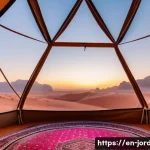
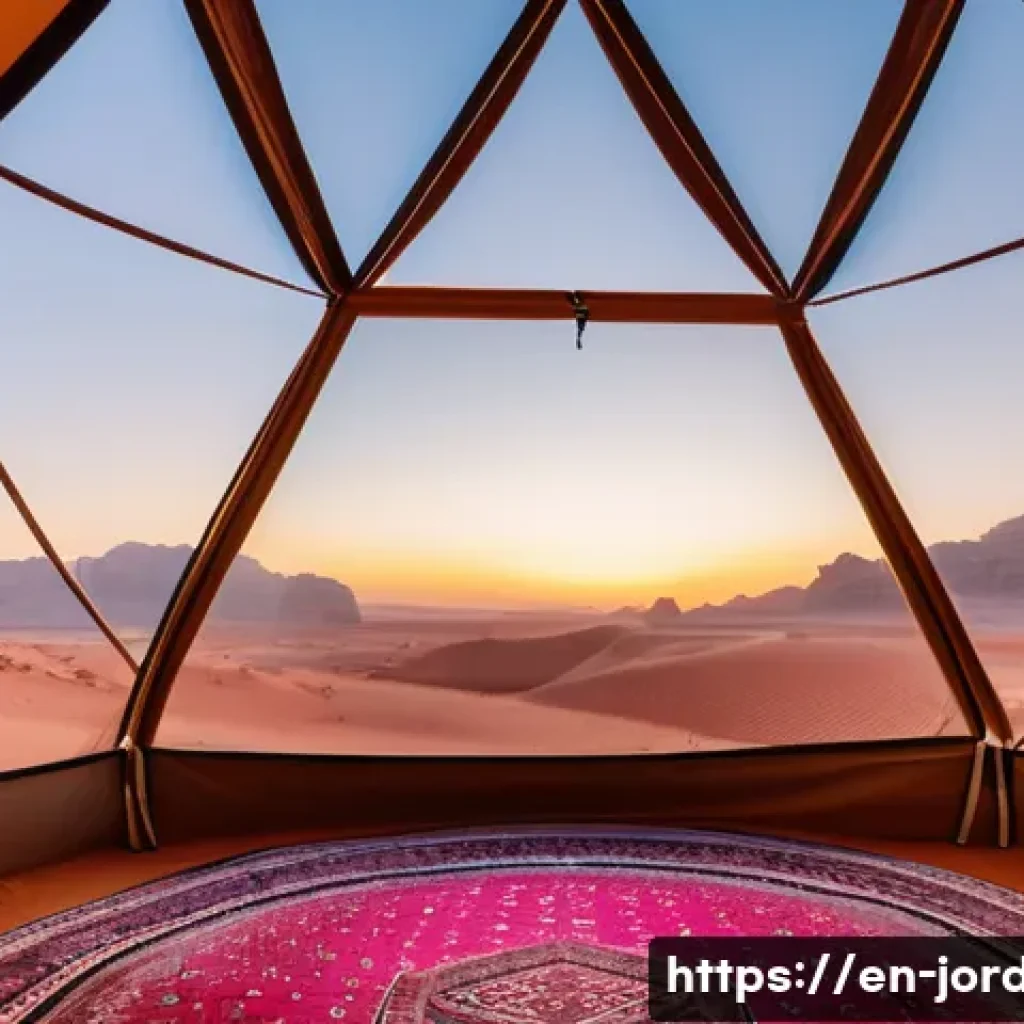
If you’re anything like me, sometimes you want a touch of indulgence even when you’re in the wilderness. And let me tell you, Wadi Rum’s luxury camps deliver! These aren’t just tents; we’re talking about well-appointed structures, sometimes even those incredible geodesic domes or “Martian tents” with panoramic windows. Many come with private bathrooms, hot showers, and even air conditioning or heating for those extreme desert temperatures. My friends who’ve stayed in these have raved about waking up to the sunrise painting the desert red from the comfort of their cozy bed. They’re perfect for a special occasion or if you simply prefer a higher level of comfort after a day of exploring. While they might be a bit pricier, many include gourmet meals and exclusive activities. It’s an excellent way to experience the desert’s grandeur without sacrificing modern conveniences, offering that perfect blend of adventure and relaxation. You’ll definitely want to book these in advance, especially during peak season, as they are incredibly popular!
Equipping Your Desert Journey: Packing Essentials for Comfort and Safety
Alright, let’s talk practicalities! The desert is stunning, but it’s also an environment of extremes. Trust me, I learned this firsthand. Daytime temperatures can be intensely hot, while desert nights, especially in Wadi Rum, can get surprisingly chilly, sometimes even dropping below freezing in winter. Packing smart isn’t just about comfort; it’s about staying safe and truly enjoying every moment. I always tell people to think in layers – it’s the golden rule for desert travel. You want to be prepared for the scorching sun, the fine sand that gets everywhere, and the sudden drop in temperature once the sun dips below the horizon. I made the mistake of underestimating the night chill on my first desert trip years ago, and I spent a rather uncomfortable night shivering, even with extra blankets provided by the camp. Lesson learned! Now, I always overpack on the warm layers, and I’ve never regretted it. Remember, you’ll likely be doing some walking, climbing, or even sandboarding, so sturdy footwear is non-negotiable.
Dressing for Desert Extremes: Layers are Your Best Friend
When it comes to clothing, modesty is appreciated in Jordan, especially when visiting religious or traditional sites, so long, loose-fitting shirts and pants are a great choice. They also offer excellent protection from the sun and sand. For daytime, I rely on lightweight, breathable fabrics like cotton or linen to stay cool. But as soon as that sun starts to descend, you’ll need those warm layers. I’m talking a cozy fleece, a warm jacket, maybe even a scarf to protect your face from dust or to add extra warmth around your neck at night. I remember one evening, the wind picked up during our jeep tour just as the sun was setting, and I was so grateful for the scarf I had tucked into my daypack. It made a huge difference! Don’t forget comfortable walking shoes or hiking boots with good grip, as you’ll be navigating sandy and rocky terrain. I always pack a spare pair of sandals for relaxing at the camp too.
Essential Gear and Personal Comfort Items
Beyond clothing, there are a few other items that will truly elevate your desert camping experience. Sun protection is absolutely vital. The Jordanian sun is intense, so a wide-brimmed hat, sunglasses, and high-SPF sunscreen are non-negotiable. Seriously, don’t skimp on this! Hydration is another critical factor. While many camps provide bottled water, bringing a reusable water bottle is a great way to stay refreshed and reduce waste. You’ll be surprised how quickly you can dehydrate in the dry desert air. A small daypack is perfect for carrying your essentials like water, snacks, sunscreen, and your camera during daily excursions. For charging your devices, a portable power bank is a lifesaver, as outlets might be limited at some camps. And if you’re a light sleeper, earplugs, as I mentioned, can be a blessing. Finally, don’t forget a basic first-aid kit with any personal medications, bandages, and anti-diarrheal medicine, just in case. It’s always better to be prepared in remote areas!
| Category | Recommended Items | Why You Need It |
|---|---|---|
| Clothing | Lightweight, breathable long-sleeve shirts & pants, warm fleece/jacket, scarf, modest attire | Sun protection, warmth for cool nights, cultural respect. |
| Footwear | Comfortable hiking shoes/boots, sandals | Navigating uneven terrain, comfort at camp. |
| Sun Protection | Wide-brimmed hat, sunglasses, high-SPF sunscreen | Intense desert sun protection. |
| Hydration & Food | Reusable water bottle, snacks | Stay hydrated, keep energy up (camps provide meals). |
| Electronics | Portable charger/power bank, universal adapter | Charge devices (limited outlets), varied plug types. |
| Personal Care | Basic first-aid kit, personal medications, wet wipes, earplugs | Safety, hygiene, comfortable sleep. |
| Miscellaneous | Daypack, camera, headlamp/flashlight | Carry essentials, capture memories, navigate in the dark. |
Connecting with Culture: The Heart of Bedouin Hospitality
You know, for all the breathtaking landscapes and starry nights, what truly makes desert camping in Jordan unforgettable is the incredible warmth of the Bedouin people. Their hospitality, or ‘diyafa,’ is not just a custom; it’s a deeply ingrained virtue, a way of life that will touch your soul. I’ve traveled extensively, but the genuine welcome I received from my Bedouin hosts in Wadi Rum stands out. It wasn’t transactional; it was heartfelt. From the moment we arrived at the visitor center, where our Bedouin guide was waiting, to the endless cups of sweet sage tea shared around the campfire, I felt like a cherished guest, not just a tourist. It’s an authentic cultural exchange that you just can’t replicate anywhere else, offering a true glimpse into a heritage that has thrived in this harsh yet beautiful environment for centuries. This immersive experience is why I always recommend staying at least one night, if not two; it gives you time to really soak it all in.
The Warmth of a Welcome: Tea, Stories, and Traditions
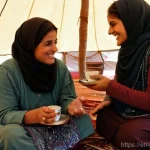
One of my favorite memories from my Wadi Rum adventure involved sitting on soft cushions in the main communal tent, sipping cup after cup of fragrant Bedouin tea. It’s more than just a drink; it’s a ritual, a symbol of welcome and friendship. Our hosts, with their kind eyes and weathered hands, shared stories of their nomadic ancestors, their deep connection to the land, and the traditions that have sustained them through generations. I learned about the significance of the coffee ceremony and how guests are never questioned about their business for the first three days, a testament to their unwavering generosity. It’s a stark contrast to our fast-paced world, a beautiful reminder to slow down, listen, and truly connect. You’ll also likely experience a traditional “Zarb” dinner, a Bedouin barbecue where meat and vegetables are slow-cooked for hours in an oven buried beneath the desert sand. The unveiling of the Zarb is an event in itself, and the food, I can tell you, is absolutely delicious and an experience you won’t forget.
Activities Beyond the Camp: Jeep Tours and Ancient Echoes
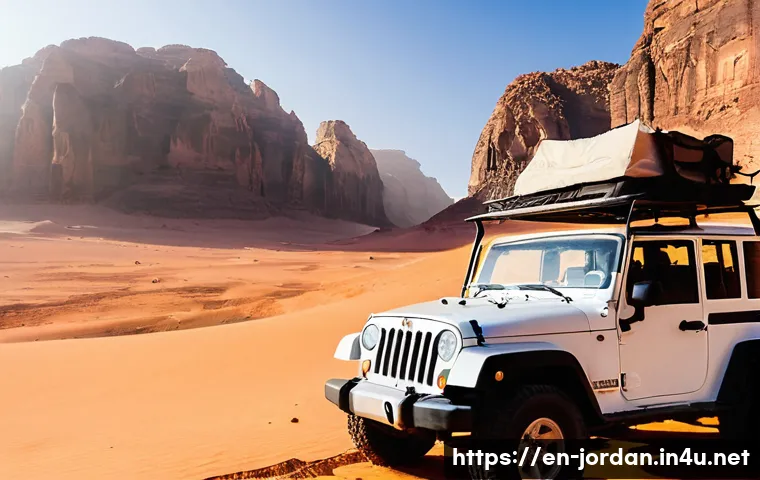
While relaxing at camp is wonderful, the desert beckons with incredible adventures. Most camps will offer a range of activities, and a jeep tour is truly the quintessential way to explore the vastness of Wadi Rum. Our guide expertly navigated the sandy terrain, taking us to iconic spots like Lawrence’s Spring, ancient Nabataean inscriptions carved into canyon walls, and towering rock bridges like Um Frouth. Seeing these historical markers up close, imagining the ancient caravans that once traversed these same paths, was truly humbling. Another highlight for me was trying sandboarding down one of the massive red dunes. It was exhilarating and felt like being a kid again! For a more traditional pace, consider a camel ride. Gliding across the desert atop a camel offers a unique, serene perspective and a genuine connection to the Bedouin’s historic mode of transport. No matter your choice, these activities are woven into the fabric of the Bedouin experience, often arranged directly through your camp, making for a seamless and deeply enriching journey.
Beyond the Horizon: The Logistics of Your Jordan Desert Adventure
I know, I know, planning can sometimes feel like a daunting task, especially when you’re dreaming of a remote desert escape. But truly, getting to and safely navigating Wadi Rum is much simpler than you might imagine, thanks to a well-established tourism infrastructure built around Bedouin communities. My biggest piece of advice here is to embrace the local expertise; these aren’t places you just “wing” on your own. Relying on your chosen camp or a reputable tour operator ensures a smooth experience and, most importantly, keeps you safe in an environment that, while stunning, demands respect. I remember the slight apprehension I felt about getting deep into the desert, but once I saw how organized and professional everything was, all my worries melted away. Jordan, as a whole, is known for being incredibly safe and welcoming to tourists, which definitely puts your mind at ease.
Arranging Your Desert Transport: Seamless Journeys
Most visitors to Wadi Rum arrive at the Wadi Rum Visitor Center. This is your gateway, and it’s where your pre-arranged camp will typically pick you up in a 4×4 vehicle. It’s not recommended to drive your own regular rental car into the deep desert due to the challenging sandy terrain; even if you have a 4×4, you need to stick to designated areas, which aren’t always clear to visitors. From major cities like Amman or Petra, you can easily arrange a taxi or use a tour bus service like Jett Bus to get to the visitor center. From Aqaba, it’s an even shorter and more direct journey. I personally opted for a taxi from Petra, and the ride itself was part of the adventure, watching the landscape slowly transform into the dramatic reds of Wadi Rum. Make sure to confirm your arrival time with your camp in advance so they know when to expect you. And a quick tip: having some Jordanian Dinars (JOD) in cash is a good idea, as many camps prefer cash payments for excursions or extra services.
Staying Safe and Sound in the Wilderness
Safety in the desert is paramount, and thankfully, the Bedouin guides are masters of their environment. However, there are a few things you can do to ensure your trip is worry-free. Always stay hydrated by drinking plenty of bottled water, especially when you’re out exploring during the day. The dry desert air can be deceptive. Protecting yourself from the sun with a hat, sunglasses, and sunscreen is also crucial. If you’re planning any hiking, never go alone in remote areas and always inform your guide or camp staff of your plans. The best times to visit are generally spring (March to May) and autumn (September to November) when temperatures are most pleasant, avoiding the extreme heat of summer or the sometimes very cold nights of winter. During my visit, our guides were incredibly attentive and knowledgeable, always ensuring we had enough water and were comfortable. Petty crime is rare in Wadi Rum, but like anywhere, it’s always wise to keep an eye on your valuables. Trust your instincts, embrace the guidance of your Bedouin hosts, and you’ll find Wadi Rum to be an incredibly safe and serene destination. It truly allows you to disconnect from the anxieties of daily life and fully immerse yourself in the present moment, a luxury we often forget in our busy lives.
Capturing the Magic: Photography Tips for Desert Nights and Days
If there’s one place that’s a photographer’s dream, it’s Wadi Rum. Seriously, it’s like every angle is begging to be captured, from the dramatic daytime hues to the absolutely mind-blowing expanse of stars at night. I consider myself an amateur photographer, but even I managed to snap some truly stunning shots that still give me goosebumps when I look at them. The light in the desert is something else entirely – it shifts and transforms the landscape in ways you wouldn’t believe. It’s not just about pointing and shooting; it’s about being present, observing how the light plays on the red sands and ancient rock formations, and understanding the best times to capture that magic. I spent hours just watching the shadows lengthen and colors deepen, and it truly felt like a living canvas. Trust me, you’ll want to make sure your camera is ready for this adventure!
Starry Skies and Golden Hours: Making the Most of Desert Light
For me, the absolute best times to photograph Wadi Rum are during “golden hour” – that magical time just after sunrise and just before sunset. The low sun casts long, dramatic shadows and bathes the entire landscape in a warm, golden glow, making those red sands look even more vibrant. It’s truly breathtaking. But the real showstopper? The night sky. Wadi Rum is renowned as one of the best places in the world for stargazing, thanks to its minimal light pollution. I remember lying on a mat outside my tent, utterly mesmerized by the sheer number of stars, the Milky Way stretching across the inky blackness. To capture this, you’ll need a tripod, a camera that performs well in low light (a wide-angle lens is a bonus!), and a bit of patience. Experiment with long exposures to really bring out the celestial wonders. Even if you’re just using your phone, try its night mode – you’ll be amazed at what you can capture! Early mornings are also incredible, with a soft, ethereal light and fewer people around, giving you a chance to capture the desert’s serene beauty undisturbed.
Respectful Photography Practices: Capturing Memories, Preserving Culture
While Wadi Rum offers endless photo opportunities, it’s really important to approach photography with respect, especially when it involves the local Bedouin communities. These are people’s homes and livelihoods, not just backdrops for your Instagram feed. Always ask permission before taking photos of people, especially children. A simple gesture and a smile go a long way. I found that most Bedouin people were incredibly open and friendly, often happy to be photographed after a brief interaction, sometimes even inviting me to share tea. However, respecting a “no” is absolutely essential. Remember, you’re a guest in their land. Beyond people, also be mindful of the environment. Avoid climbing on fragile rock formations just for a photo, and always pack out everything you pack in. The beauty of Wadi Rum has been preserved for millennia by these communities, and it’s our responsibility as visitors to help maintain its pristine condition. Capturing the essence of Wadi Rum goes beyond just the visual; it’s about capturing the feeling, the respect, and the connection you build with this incredible place and its people.
Embracing the Tranquility: Unplugging to Reconnect
In our hyper-connected world, the idea of truly disconnecting can feel almost radical, can’t it? But let me tell you, one of the most profound gifts Wadi Rum gave me was the opportunity to just *be*. To step away from the constant pings, the endless scrolling, and the demands of digital life. It’s an immersive dive into an ancient world, a chance to reconnect with both nature and yourself, far removed from the digital noise we all navigate daily. I honestly believe this is an experience everyone deserves to have at least once. There’s something incredibly liberating about the vast, silent expanse of the desert that forces you to slow down, to look up at the sky, to listen to the wind, and to simply exist without the constant buzz of technology. It’s not just a vacation; it’s a reset for your soul, a chance to rediscover a sense of peace and wonder you might not have realized you’d lost.
Finding Inner Peace: The Digital Detox Effect
The beauty of Wadi Rum is that it pretty much forces you into a digital detox, and honestly, that’s half the charm. While some luxury camps might offer Wi-Fi, many traditional ones have limited or no connectivity, which, to me, is a blessing in disguise. Imagine this: instead of checking emails, you’re watching the sunrise paint the sand dunes in a symphony of colors. Instead of scrolling through social media, you’re marveling at a sky blanketed with more stars than you’ve ever seen. That’s what a digital detox in the desert offers. I remember feeling a genuine sense of calm wash over me the deeper we went into the desert, realizing I hadn’t looked at my phone in hours. It allowed me to be fully present, to engage in conversations, to truly observe the intricate details of the desert flora and fauna, and to just listen to the profound silence. It’s a rare commodity these days, and Wadi Rum delivers it in spades.
Activities Beyond the Screen: Engaging with Nature and Self
Once you put down your devices, a whole world of sensory experiences opens up. You can spend your days actively exploring the desert with jeep tours, camel rides, hiking through canyons, or even trying sandboarding. These activities are so engaging that you won’t even miss your screen. In the evenings, the focus shifts to the communal experience. Gather around the campfire, share stories and laughter with new friends, or simply sit in quiet contemplation, gazing at the unparalleled celestial display above. I found myself reflecting on things I rarely make time for in my busy life, feeling incredibly grounded and connected to something much larger than myself. You might even find opportunities to learn about Bedouin crafts at places like the Burdah Women’s Cooperative. Whether it’s the thrill of adventure or the quietude of stargazing, Wadi Rum offers countless ways to reconnect with nature and, more importantly, with your own inner calm. It’s an experience that truly recharges you, leaving you with memories far richer and more meaningful than any digital notification could ever provide.
글을 마치며
And there you have it, my friends! My deep dive into the enchanting world of Wadi Rum. I truly hope that sharing my personal experiences and these hard-won tips has ignited a spark of adventure in you. It’s more than just a trip; it’s a journey into a landscape that whispers ancient stories and a culture that embraces you with open arms. To feel the vastness of the desert, gaze at a sky teeming with stars, and connect with the incredible Bedouin people is a gift I wish everyone could experience. So, take a deep breath, start planning, and get ready for an adventure that will stay with you, long after the desert sand has left your shoes!
알아두면 쓸모 있는 정보
1. Timing is Everything: From my experience, the absolute best times to visit Wadi Rum are during the spring (March to May) and autumn (September to November). The daytime temperatures are just perfect for exploring, and the nights are beautifully crisp, though still requiring warm layers. Summer can be intensely hot, sometimes exceeding 40 degrees Celsius (104 degrees Fahrenheit), making daytime activities quite challenging. Conversely, winter (December to February) can bring surprisingly cold nights, occasionally dropping below freezing, and even some rain or snow, so pack those extra-warm layers if you’re visiting then. Planning around the weather will significantly enhance your comfort and enjoyment of this spectacular desert.
2. Smart Travel and Booking: While the idea of a spontaneous desert adventure is appealing, trust me, it’s best to pre-book your camp and tours through a reputable operator. You definitely shouldn’t try driving your own regular rental car deep into the desert; the sandy terrain is unforgiving, and local guides in 4×4 vehicles are essential for safety and navigation. Most camps will arrange pickup from the Wadi Rum Visitor Center. Be sure to confirm what your booking includes – meals, transfers, and activities can vary. Also, double-check the camp’s location; some camps promote themselves as being in Wadi Rum but are actually located outside the protected area, which might detract from an authentic experience.
3. Embrace Local Culture and Customs: The Bedouin hospitality is truly the heart of Wadi Rum. To ensure a respectful and enriching experience, remember to dress modestly. This means covering your shoulders and knees, especially for women, and opting for long trousers for men, particularly when visiting villages or religious sites. Always ask permission before taking photos of people, particularly women and children, as it shows immense respect. Public displays of affection are generally frowned upon, so keep intimate moments private. If you’re invited into a Bedouin home or tent, remember to remove your shoes, and when giving or receiving items, use your right hand.
4. Pack Prepared, Stay Safe: The desert is beautiful but can be challenging. Staying hydrated is absolutely critical; carry a reusable water bottle and drink frequently, as the dry air can lead to rapid dehydration. Sun protection is non-negotiable: a wide-brimmed hat, sunglasses, and high-SPF sunscreen will be your best friends. Layers of clothing are paramount to cope with the drastic temperature shifts from day to night. Don’t forget a small daypack for excursions, a portable power bank for your devices, and some Jordanian Dinars (JOD) in cash, as it’s often preferred for smaller purchases or tips.
5. Practice Responsible Tourism: Wadi Rum is a UNESCO World Heritage site, and its pristine beauty relies on all of us to protect it. Make conscious choices to minimize your environmental footprint. This includes packing out all your waste, opting for reusable items to reduce single-use plastics, and being mindful of water usage, which is a precious resource in the desert. Whenever possible, support local Bedouin-owned camps and businesses, as this directly contributes to the community and helps preserve their unique way of life and the delicate desert ecosystem. Choosing eco-friendly accommodations that prioritize sustainability, like using solar power, also makes a significant difference.
중요 사항 정리
- Wadi Rum offers a unique, transformative experience blending breathtaking natural beauty with rich Bedouin culture.
- Prioritize booking through reputable local Bedouin camps and guides for safety, authenticity, and seamless logistics.
- Pack smart with layers, sun protection, and plenty of water to adapt to extreme desert temperatures.
- Embrace Bedouin hospitality by being culturally sensitive, respecting customs, and asking permission for photos.
- Commit to responsible tourism by minimizing your environmental impact and supporting local communities.
Frequently Asked Questions (FAQ) 📖
Q: Desert camping in Jordan sounds absolutely magical, but what should I really pack to ensure I’m comfortable and safe, especially if I’m not a seasoned camper?
A: Oh, I totally get this question, it’s one of the first things that pops into mind! When I was planning my first desert adventure in Jordan, I remember stressing over every little item.
But honestly, it’s simpler than you might think, and once you have the essentials, you’re set for an incredible time. From my own experiences, the biggest thing to remember is that the desert is a place of beautiful extremes.
Days can be gloriously warm and sunny, but those nights? They can get surprisingly chilly, sometimes even dropping below freezing in winter! So, layering is your best friend.
For daytime, think lightweight, breathable clothing. I always opt for long sleeves and pants, even if it’s hot, because it’s such a lifesaver against the intense sun and also respects local customs.
Think linen or light cotton – they dry quickly and feel amazing. A wide-brimmed hat and good quality sunglasses are non-negotiable, truly, your head and eyes will thank you.
And please, please, don’t skimp on the high SPF sunscreen and a hydrating lip balm; the desert air is no joke for your skin! When the sun dips, that’s when those layers come in.
I always bring a cozy fleece or a lightweight down jacket, along with warm socks, even in shoulder seasons. For your feet, sturdy, closed-toe walking shoes or light hiking boots are perfect for exploring the dunes and rocky areas.
You’ll want good grip! Leave the flip-flops for around the camp, as sand can get everywhere. Beyond clothing, a headlamp or a small torch is crucial for navigating after dark – trust me, those starlit nights are gorgeous but also incredibly dark!
A reusable water bottle is a must; staying hydrated is paramount, so keep it topped up. And a portable charger for your phone or camera is a total game-changer, especially since electricity might be limited at some camps.
Finally, a small backpack for daily excursions, a basic first-aid kit (think blister plasters and a pain reliever), and a good insect repellent are always smart additions.
Most reputable camps provide plenty of blankets and mattresses, but if you’re particular, a sheet sleeping bag could add extra comfort. You’re going to be so glad you packed smart once you’re out there, sipping Bedouin tea under a sky full of stars!
Q: I’m really keen on experiencing Jordan’s desert, but I’m a bit concerned about safety. Is desert camping in Jordan safe, especially for solo travelers or families with kids?
A: That’s such a valid question, and it’s one I hear all the time! When you’re venturing into a new environment, especially one as vast and unique as the desert, it’s natural to wonder about safety.
And I can tell you, from my heart and my own wonderful experiences there, that desert camping in Jordan, particularly in places like Wadi Rum, is overwhelmingly safe.
The local Bedouin communities who operate these camps and tours take immense pride in their hospitality and genuinely care for their visitors’ well-being.
They consider it an honor to host you. I’ve met countless solo travelers, including women, who have expressed how incredibly secure and welcomed they felt.
And for families? Absolutely! The camps are often family-run, and the Bedouins are wonderful with children, often going out of their way to make sure little ones have an unforgettable time.
My friend recently took her young kids, and they still talk about the jeep rides and sitting around the campfire. Of course, like any adventure, a few common-sense precautions go a long way.
Always book with a reputable tour operator or camp – a quick search online for reviews will give you a good sense of their standing. Listen to your experienced local guides; they know the desert intimately.
Stay with your group during excursions and stick to the established routes. Hydration, as I mentioned before, is critical; the dry desert air can be deceiving, so sip water regularly even if you don’t feel thirsty.
And protect yourself from the sun! While encounters are rare, scorpions can be found in the desert, mainly in summer, but they tend to avoid humans, so simply being aware and not reaching into dark crevices is good practice.
Honestly, the Jordanian government places a high priority on tourist safety, and popular destinations like Wadi Rum are well-managed. You’re far more likely to be overwhelmed by the warmth of the Bedouin people and the breathtaking scenery than by any safety concerns.
I often tell people that the biggest “danger” might just be falling so deeply in love with the desert that you never want to leave!
Q: There are so many options for desert camping in Jordan! What’s the best way to experience it, and when is the ideal time to go to truly capture that magical, star-dusted night?
A: Oh, this is where the real fun begins – choosing your adventure! Jordan’s desert experiences are incredibly varied, catering to every kind of traveler, and it truly is an experience that touches your soul, especially under those glittering skies.
First, let’s talk about when to go to catch that magic. Based on my own visits, and what I consistently hear from fellow travelers, the absolute sweet spot is during Spring (March to May) and Autumn (September to November).
During these months, the daytime temperatures are just perfect, usually a comfortable 20-30°C (68-86°F), which makes exploring by jeep, hiking, or riding a camel an absolute dream.
The nights are crisp and cool, but not brutally cold, providing the most ideal conditions for stargazing. The skies are often crystal clear, and I swear you can see every single star – it’s truly humbling.
I once went in late October, and the air was so fresh, the sunsets so vivid, and the stars… well, they looked like diamonds scattered across a velvet cloth.
While you can visit in winter for a quieter experience, be prepared for genuinely cold nights, and summer, though beautiful, is often intensely hot during the day, making activities less comfortable.
As for how to experience it, you have a fantastic range of choices! Traditional Bedouin Camps: If you’re looking for an authentic, immersive experience without breaking the bank, these are wonderful.
You’ll typically find basic, comfortable tents (often with mattresses and blankets), shared facilities, and delicious traditional Bedouin meals cooked in an underground oven called a “Zarb.” The evenings often involve campfires, music, and storytelling – it’s a beautiful cultural exchange.
Upgraded Bedouin Camps: These offer a step up in comfort, perhaps with private tents, proper beds, and cleaner shared bathrooms, sometimes even with hot water.
They strike a lovely balance between authenticity and modern conveniences. Luxury Glamping: For those who want to experience the desert with all the comforts of home (and then some!), luxury camps are incredible.
Think spacious tents with plush beds, private en-suite bathrooms with hot showers, and sometimes even air conditioning or heating. Many also offer those iconic “bubble tents” where you can literally sleep under the stars in a transparent dome – it’s an unforgettable splurge!
I’ve had the pleasure of staying in a few, and waking up to the desert sunrise from your bed is pure bliss. Most camps will offer a variety of tours – jeep safaris are probably the most popular, taking you to stunning rock formations, ancient inscriptions, and famous movie locations.
Camel treks are a more traditional, slower-paced way to soak in the scenery. Hiking, rock climbing, and even sandboarding are also popular activities.
Many packages include dinner and breakfast, and I always recommend spending at least one night. If your itinerary allows, two nights really lets you unwind and appreciate the serene pace of desert life.
Choosing the right camp and timing really makes all the difference in turning a trip into a memory you’ll cherish forever!