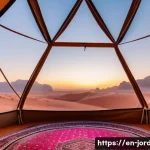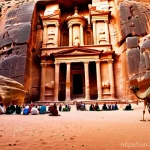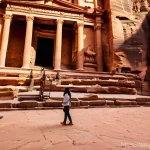
Hey there, fellow adventurers! If you’re anything like me, you’ve probably scrolled through countless breathtaking photos of Petra’s Treasury carved into rose-red cliffs or imagined yourself stargazing under the vast, inky skies of Wadi Rum.
Jordan truly beckons with its ancient wonders and stunning desert landscapes, a destination that’s likely high on your travel wishlist. But, like with any journey to a new and vibrant culture, a little voice inside might wonder, “Is it really safe?” I totally get that feeling.
It’s natural to want to feel secure and prepared, especially when stepping outside your comfort zone. From my own extensive travels and chats with fellow globetrotters, I’ve found that Jordan is, for the most part, an incredibly welcoming and stable country.
However, embracing smart travel practices and understanding the local nuances can transform a good trip into an absolutely unforgettable and worry-free experience.
There are always little insider tips and tricks that can make all the difference, from navigating local markets to understanding transportation. In today’s interconnected world, staying informed isn’t just about avoiding trouble; it’s about unlocking deeper, more authentic experiences and truly connecting with the heart of a place.
No one wants to spend their precious vacation time feeling anxious or dealing with preventable hiccups. Trust me, I’ve learned a few things the hard way so you don’t have to!
So, if you’re dreaming of dipping your toes into the Dead Sea or exploring Roman ruins, you’ll definitely want to ensure your trip is as smooth as possible.
Let’s uncover all the essential tips you need to know for a truly safe and spectacular Jordanian adventure.
Embracing the Local Rhythm: Navigating Customs with Confidence
Stepping into Jordan is like stepping into a warm hug, but just like visiting a friend’s home, understanding the house rules makes all the difference. I’ve always found that a little effort to connect with local customs goes a really long way, not just in showing respect, but in truly enriching your travel experience. Jordanians are incredibly hospitable, and their kindness is legendary, stemming from a deep-rooted Bedouin tradition where welcoming guests is paramount. However, being aware of how they do things can prevent unintentional missteps and open doors to even more authentic interactions.
From my own adventures, I’ve learned that dressing modestly is one of the easiest ways to show you respect their culture, and honestly, it can make you feel more comfortable too! While Amman, the capital, is pretty cosmopolitan and you’ll see a mix of modern and traditional styles, venturing into smaller towns or religious sites calls for a bit more discretion. I remember visiting a mosque in Amman, and gratefully, they provided me with a covering, but it’s always best to be prepared. Loose-fitting clothing that covers your shoulders and knees is generally a good idea for both men and women. It keeps you cool in the desert heat and ensures you blend in rather than stand out. Trust me, you don’t want to feel out of place, especially when trying to soak in the historical grandeur of places like Petra or Jerash.
Dressing for Respect and Comfort
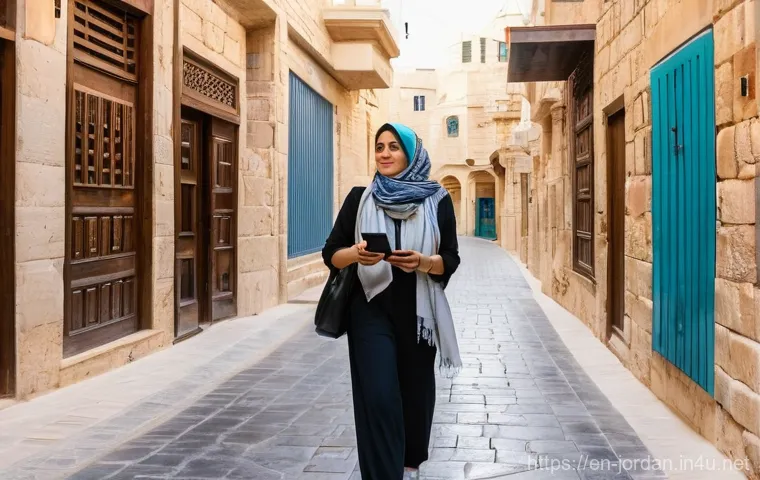
When packing for Jordan, think light layers and breathable fabrics. For women, maxi dresses, long skirts, and loose trousers paired with tops that cover your shoulders and cleavage are perfect. I found that a good pashmina or scarf became my best friend – it’s versatile for sun protection, covering my head if entering a religious site, or just adding a touch of style. Men, you’ll generally be fine with jeans or long trousers and t-shirts or polo shirts. While shorts might be acceptable in some tourist areas or resorts, opting for longer pants usually earns you more respect from locals. It’s less about a strict dress code and more about a universal sign of consideration. Remember, you’re a guest in their beautiful country, and a little thoughtfulness goes a long way in fostering positive interactions with the wonderful Jordanian people. I always feel a stronger connection when I make an effort to align with the local vibe.
Mastering Social Interactions with Grace
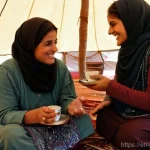
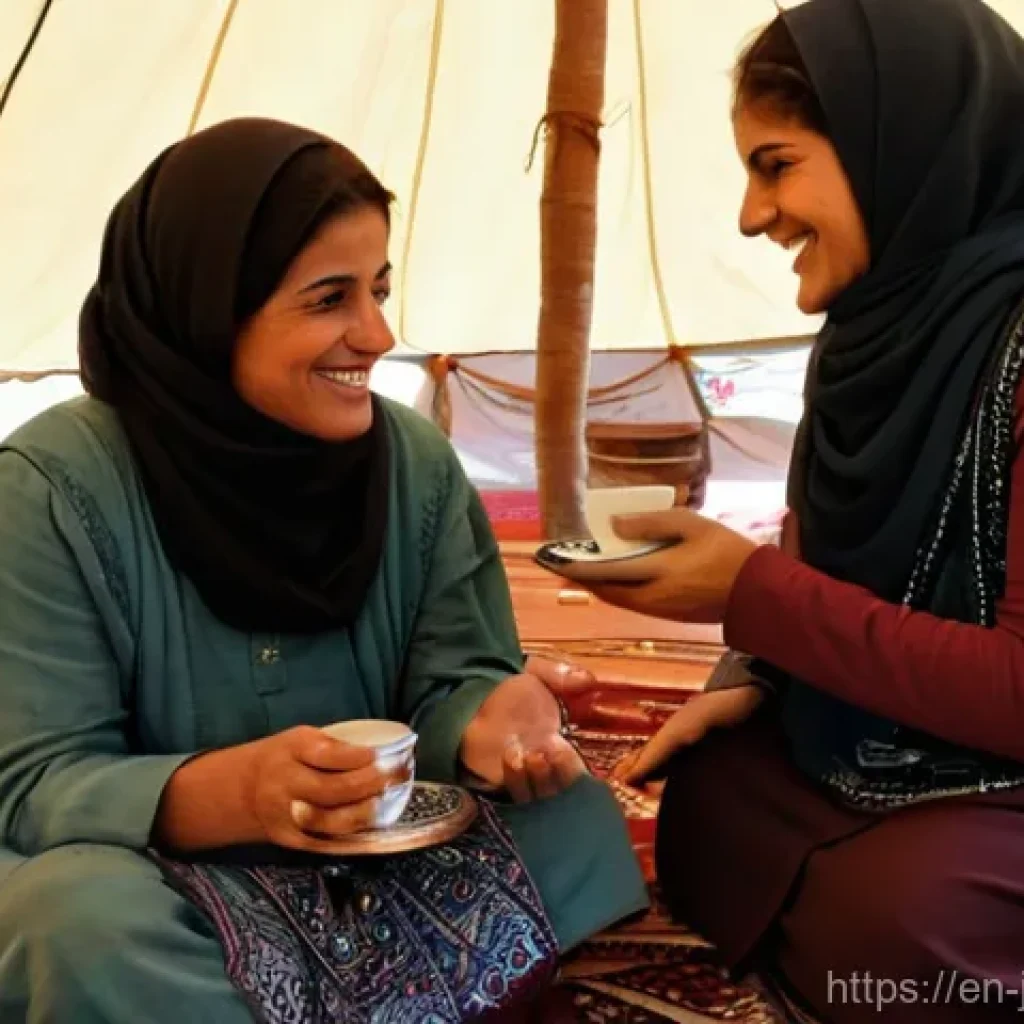
Jordanians are incredibly friendly, and you’ll often find yourself being greeted with warmth and genuine curiosity. When meeting someone new, a handshake is common, but be mindful that conservative veiled women may not extend their hand – in such cases, a slight nod and a hand placed over your heart is a lovely gesture of respect. Don’t be surprised if close friends or family members greet each other with a few pecks on the cheek; it’s a sign of affection. Public displays of affection, like prolonged kissing or hugging, are generally frowned upon, so it’s best to keep those moments private. I’ve personally found that accepting offers of Arabic coffee or tea, even if just for a few sips, is a wonderful way to connect. If you’re offered food, especially in a home, don’t be shy – it’s a symbol of generosity! Just remember to eat with your right hand, as the left is traditionally considered unclean. These small acts of cultural awareness truly make your journey more immersive and memorable.
Smooth Journeys: Navigating Jordanian Transportation
Getting around in a new country can sometimes feel like a puzzle, but honestly, Jordan offers some pretty straightforward options once you get the hang of them. From bustling city streets to vast desert roads, choosing the right way to travel is key to a stress-free adventure. My personal approach is always a mix: I embrace public transport for the local flavor and budget savings, but I’m not shy about splurging on a private transfer or ride-sharing app when convenience and safety are paramount, especially after a long day of exploring.
In the bigger cities like Amman and Aqaba, yellow taxis are everywhere, and ride-sharing apps like Careem (the Middle Eastern equivalent of Uber) are a godsend. I still remember the first time I landed in Amman; the taxi driver from the airport taught me a few Arabic phrases on the way to my hotel, which was such a fun start to the trip. For longer distances between major tourist spots like Amman, Petra, and Wadi Rum, the JETT buses are a comfortable and reliable choice. They’re air-conditioned, operate on fixed schedules, and are often frequented by tourists, making them a great option. However, if you’re planning on exploring off-the-beaten-path areas or simply crave the flexibility to stop wherever your heart desires, renting a car might be your best bet, but it comes with its own set of considerations.
Public and Private Rides: Your Best Bets
For city travel, yellow taxis are abundant, and it’s good practice to make sure the driver uses the meter or agree on a fare beforehand. I’ve heard stories of tourists being overcharged, so a little negotiation or insistence on the meter can save you some dinars. Ride-sharing apps like Careem are incredibly convenient and often more transparent with pricing, so I highly recommend using them in Amman, especially if you’re traveling solo or late at night. For intercity travel, JETT buses are a fantastic option connecting major hubs. They’re economical and offer a comfortable ride. If you opt for smaller local buses or minibuses, just be aware they might not have fixed schedules and usually depart once they’re full. These can offer a more authentic local experience but require a bit more patience and flexibility. Personally, I use a combination – JETT for long hauls and Careem for quick city hops.
Driving Yourself: Tips for the Open Road
Renting a car in Jordan gives you immense freedom, and outside of Amman’s sometimes chaotic traffic, the roads connecting major tourist sites are generally well-maintained and easy to navigate. I found the road signs in both Arabic and English extremely helpful. However, there are a few things to keep in mind: watch out for unmarked speed bumps and potholes, especially on rural roads, which can appear out of nowhere and give you quite a jolt! It’s also wise to avoid driving at night in less-lit rural areas due to potential wildlife (camels!) and poor visibility. Always keep your fuel tank topped up before heading into remote regions. Remember, Jordan drives on the right side of the road, and seatbelts are mandatory for front-seat passengers. You might encounter police checkpoints, so have your license, passport, and rental documents handy. I always download offline maps because cell reception can be spotty in the desert, and nothing’s worse than getting lost with no signal!
Prioritizing Your Well-being: Health and Hygiene on the Go
When you’re caught up in the excitement of exploring ancient ruins or floating in the Dead Sea, it’s easy to overlook health precautions, but a little planning here can save your trip from an unwelcome detour. Trust me, no one wants to spend their Jordanian adventure feeling under the weather! My philosophy has always been “better safe than sorry” when it comes to health abroad, and Jordan is no exception. While generally a healthy destination for tourists, being proactive about your well-being is a smart traveler’s move.
I always make sure to consult my doctor before any international trip, especially to a region with different health considerations. Simple things like staying hydrated, protecting yourself from the sun, and being mindful of what you eat and drink can significantly impact your experience. I recall a scorching day in Petra when I thought I was drinking enough water, but the sheer scale of the site and the relentless sun quickly reminded me to double down on my intake. It’s not just about avoiding serious illness; it’s about maintaining your energy levels to truly enjoy every moment of your incredible journey. Amman offers high-quality private medical services, but outside the major cities, facilities can be more basic, so prevention is definitely your best friend.
Staying Hydrated and Sun-Safe
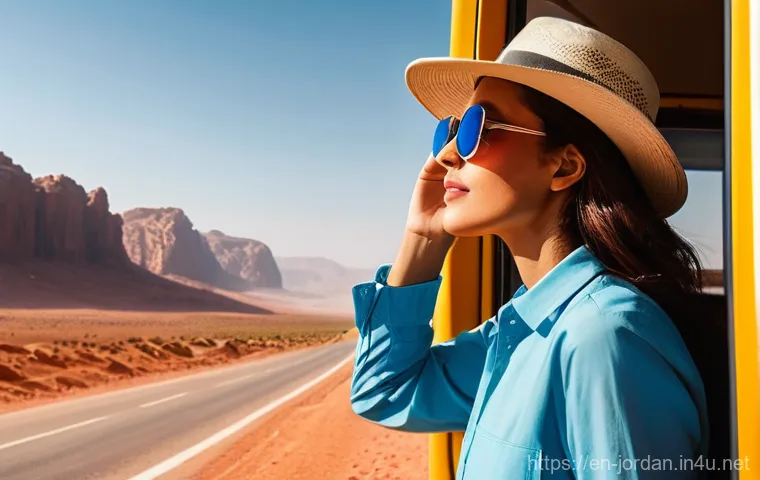
Jordanian summers are incredibly hot, especially in desert areas, and even during other seasons, the sun can be intense. Dehydration and sunburn are real risks that can quickly zap your energy. Always carry a reusable water bottle and refill it frequently with bottled water; tap water is generally not safe for drinking. I’ve found that constantly sipping water throughout the day, even when I don’t feel thirsty, is crucial. Wearing a wide-brimmed hat, sunglasses, and applying high-SPF sunscreen regularly are non-negotiable. Loose-fitting, light-colored clothing made from breathable fabrics like cotton or linen also helps a lot in keeping you cool and protected from the sun’s rays. Believe me, a bad sunburn can turn even the most spectacular view into a painful experience, and nobody wants that on their vacation!
Food, Water, and Other Precautions
Food and waterborne illnesses are a common concern for travelers worldwide, and Jordan is no exception. Stick to bottled water, and be cautious with raw or undercooked foods. I personally tend to be extra careful with street food unless it’s freshly cooked and piping hot, and I avoid unpeeled fruits and vegetables. Hepatitis A and typhoid vaccinations are often recommended for travelers, so check with your doctor well in advance. Insect bites are another consideration, particularly sandflies which can transmit diseases like leishmaniasis in some areas. Using insect repellent, especially in the evenings, and ensuring your accommodation is insect-proof can make a difference. If you’re spending time with animals, particularly camels, it’s wise to wash your hands regularly, as Middle East respiratory syndrome (MERS) has been reported in the region. Always carry a small first-aid kit with essentials like band-aids, antiseptic wipes, and any personal medications, just in case.
Spotting the Sneaky Stuff: Outsmarting Scams and Tourist Traps
Ah, the unfortunate reality of travel – wherever there are eager tourists, there are often a few folks looking to make a quick, dishonest buck. Jordan is, for the most part, a country full of genuinely lovely people, but just like anywhere else in the world, a few bad apples can try to spoil the bunch. I’ve learned over many years of travel that being aware of common scams isn’t about being cynical; it’s about being smart and protecting your hard-earned travel budget. It’s also about ensuring these minor annoyances don’t overshadow the incredible experiences you’re there to have!
From personal experience, a bit of healthy skepticism and a firm but polite “no thank you” can go a long way. I once had an encounter at a popular tourist site where someone was insisting I take a “free” horse ride, only for a hefty tip to be demanded at the end. It wasn’t dangerous, just annoying and a bit of a mood dampener. Knowing what to watch out for means you can navigate these situations with confidence and keep your focus on the wonders around you, not on fending off persistent hawkers or getting ripped off. Here’s a quick rundown of some things I’ve either encountered or heard about from fellow travelers, so you can be prepared.
Common Cons and How to Counter Them
One classic scam I’ve heard about, and almost fell for, involves a local asking you to take their picture, then “accidentally” dropping their camera and demanding payment for damages. My advice? Kindly but firmly refuse to take photos for strangers, unless you’re absolutely certain they’re not trying this trick. Another one, particularly in Amman, is the “bird poop” scam, where someone splatters a white paste on you, then a “friendly” local rushes to help clean it, all while pickpocketing you. If this happens, immediately move away and clean yourself without engaging. When it comes to taxis, always insist on the meter or agree on a fare upfront; some drivers might try to overcharge, especially if you look like a bewildered tourist. Be wary of overly friendly strangers who invite you to bars with inflated prices, or those offering “special” Wadi Rum tours that turn out to be vastly inferior to legitimate ones. If something feels off, it probably is.
Safeguarding Your Valuables and Peace of Mind
Protecting your belongings is fundamental to a worry-free trip. While serious crime is low, pickpocketing and bag-snatching can occur, particularly in crowded markets or busy tourist areas. I always recommend using a money belt or a secure cross-body bag for your passport, larger sums of cash, and credit cards. Avoid flaunting expensive jewelry or gadgets that could make you a target. When using ATMs, be discreet and try to use them during daylight hours in well-lit, populated areas. Always cover the keypad when entering your PIN. For women traveling solo, a fake wedding ring can sometimes deter unwanted attention, though I personally never felt the need for one – a confident demeanor usually suffices. And remember, if you feel pressured or uncomfortable, don’t hesitate to say “Shourta!” (police) – the mention of police can often resolve a tricky situation pretty quickly. It’s all about being street-smart, not scared.
| Type of Scam | Where it Happens | How to Avoid |
|---|---|---|
| Camera Drop | Popular tourist sites | Politely refuse to take photos for strangers. |
| “Bird Poop” Clean-up | Crowded city streets (Amman) | Immediately move away and clean yourself without engaging. |
| Taxi Overcharging | All cities, especially from airports/borders | Insist on meter or agree on fare *before* starting journey. Use Careem/Uber if possible. |
| Fake Wadi Rum Tours | Taxi drivers, unofficial guides | Book tours through reputable companies or your accommodation. |
| “Free” Animal Rides (Petra) | Inside Petra archaeological site | Be aware nothing is truly free; a large tip will be demanded. Avoid if you don’t want to tip generously. |
| Exorbitant Bar Bill (“Tinder Scam”) | Certain bars in Amman | Always check menu prices. Be cautious of unsolicited invitations from strangers to bars. |
Money Matters: Handling Your Jordanian Dinars with Ease
Let’s talk about money, because knowing how to manage your finances efficiently in Jordan can save you stress and those pesky extra fees. The local currency is the Jordanian Dinar (JOD), and it’s one of the strongest currencies in the world, often pegged around 1.41 USD. While some tourist-heavy areas might accept USD or Euros, having local currency for everyday transactions, especially in markets or smaller establishments, is absolutely essential. My personal rule of thumb is to always have a mix of cash for smaller purchases and a reliable credit card for larger expenses.
I usually exchange a small amount of currency before I leave home for immediate expenses upon arrival, but I’ve found that the best exchange rates are often found locally, either at banks or dedicated money exchange offices in cities like Amman. Airport exchange counters are convenient, but their rates might not always be the most favorable, so I typically limit initial exchanges there to just what I need for a taxi or a quick bite. ATMs are widely available in urban areas and accept major international cards, which is incredibly convenient. However, a little planning around withdrawals can go a long way in avoiding unnecessary transaction fees and keeping your budget in check.
Getting the Best Bang for Your Buck
When it comes to exchanging your currency, I’ve learned that comparing rates is crucial. Online travel money companies often offer better rates than traditional high-street banks, so it’s worth checking those before you go. Once in Jordan, banks and official money exchange offices usually provide competitive rates. I tend to avoid exchanging large sums at my hotel, as their rates are typically less favorable. ATMs are great for convenience, but remember to factor in potential foreign transaction fees from your bank and any ATM usage fees. To minimize these, I try to withdraw larger amounts less frequently rather than small sums daily. Also, always choose to be charged in Jordanian Dinars (JOD) if the ATM or card machine offers a choice of currency; otherwise, you might get hit with dynamic currency conversion (DCC), which often means a worse exchange rate. Keep small denominations of JOD handy, as many local vendors and taxi drivers might not have change for larger bills.
Secure Payments and Sensible Spending
Major credit cards like Visa and MasterCard are widely accepted in hotels, larger restaurants, and shops in urban areas and major tourist sites. However, for smaller cafes, souvenir stalls, or taxis, cash is king. I’ve always found it reassuring to carry a secondary card in case one is lost or stolen, and I make sure to inform my bank of my travel dates to avoid any unexpected card freezes. Beyond the practicalities, budgeting for your trip means being aware of local pricing. While Jordan can be quite affordable, especially for food and local transport, entrance fees to major sites like Petra can add up. Tipping is customary and widely appreciated, so factor a small amount into your daily expenses for drivers, guides, and restaurant staff – typically around 10% in restaurants unless a service charge is already included. Rounding up taxi fares is also a nice gesture. Being mindful of these small financial details ensures your trip goes smoothly without any unexpected money worries.
Empowering the Solo Female Explorer: Journeying Through Jordan
For my fellow solo female travelers, the thought of exploring a new country, especially in the Middle East, can bring a mix of exhilaration and a touch of apprehension. I totally get it! When I first considered a solo trip to Jordan, I heard all the usual questions and concerns. But after experiencing its magic firsthand, I can confidently say that Jordan is incredibly welcoming and empowering for women venturing out on their own. However, like anywhere in the world, being prepared and taking smart precautions is key to turning a good trip into an absolutely fantastic and confidence-boosting adventure.
From my perspective, Jordan feels remarkably stable and safe. The people are genuinely kind, and you’ll often find them going out of their way to be helpful. However, it’s also a male-dominated society with conservative cultural norms, which means adapting your approach slightly can make your experience even smoother. I found that a confident demeanor, combined with respecting local customs, truly paved the way for positive interactions. It’s not about changing who you are, but about being culturally intelligent. There’s a certain freedom that comes with knowing you’re navigating a new place gracefully, connecting with locals, and creating unforgettable memories on your own terms.
Dressing and Demeanor: Projecting Confidence
My advice for solo female travelers in Jordan regarding attire is to err on the side of modesty. This isn’t about conforming, but about showing respect and potentially reducing unwanted attention, particularly outside of major tourist hubs. Loose-fitting clothing that covers your shoulders, chest, and knees is a good guideline. I often opted for long skirts or trousers and long-sleeved tops, which also provided great sun protection. While headscarves aren’t generally required unless entering a mosque, carrying one can be handy. More important than specific clothing items, though, is your demeanor. Walk confidently, make eye contact when appropriate, but don’t feel obligated to engage in lengthy conversations with every person who tries to chat. A polite “no thank you” or a quick smile while continuing on your way usually suffices. Remember, you’re a capable traveler, and projecting that self-assurance is your best defense.
Safety in Transit and Accommodation
When it comes to getting around, especially at night, I strongly recommend using ride-sharing apps like Careem in cities. The ability to track your journey and have a record of the driver provides an extra layer of security. If taking a regular taxi, always agree on the fare before getting in, and if you can, have your hotel call one for you. As a solo female, I always made sure to sit in the back seat directly behind the driver. For accommodation, choose well-reviewed hotels or guesthouses in central, tourist-friendly areas that have good security measures. Don’t hesitate to ask hotel staff for local tips or trusted taxi recommendations. While hiking in places like Petra or Wadi Rum is incredible, consider hiring a licensed local guide for more remote areas, or join a group tour. It’s not about fear, but about making informed choices to enhance your safety and enjoyment.
Exploring Beyond the Beaten Path: Desert and Rural Adventures
Jordan’s allure extends far beyond its iconic cityscapes and ancient wonders; its vast deserts, stunning wadis (valleys), and charming rural villages offer a completely different kind of magic. For me, these are the places where the true heart of Jordan, with its incredible natural beauty and deeply rooted Bedouin culture, really shines through. However, venturing into these less populated areas requires a bit more foresight and planning. It’s an adventure that demands respect for the environment and an understanding of the unique challenges these landscapes can present, but the rewards are absolutely unforgettable.
I still remember my first time stargazing in Wadi Rum, completely mesmerized by the sheer number of stars visible in the inky black sky – it was an experience that truly humbled me. But to fully enjoy such moments, ensuring your safety is paramount. This means everything from understanding the local environment to knowing how to handle potential emergencies when you’re far from urban centers. While Jordan generally boasts well-maintained roads connecting major attractions, some of the most breathtaking spots are often off the main highways, necessitating careful navigation and preparation. Embracing these areas means embracing a more rugged, authentic side of travel, and with the right tips, you can do it with confidence and joy.
Desert Driving and Remote Road Realities
If you’re planning to rent a car and explore areas like Wadi Rum (though most tours will take you into the protected area itself), or some of the more remote wadis, be prepared for varied road conditions. Major highways are excellent, but smaller roads can be less maintained, with potholes and unmarked speed bumps appearing unexpectedly. I always advise against driving in remote or rural areas at night. Not only are these roads often unlit, but you’re more likely to encounter wandering animals like camels, sheep, or goats, which can be incredibly dangerous in the dark. Always fill up your gas tank before heading into vast, sparsely populated areas, as gas stations can be few and far between. Downloading offline maps is a lifesaver since cell reception can be unreliable. Also, be aware of flash flood risks during the rainy season (November to March) in wadis; always check weather forecasts and avoid entering these areas after heavy rainfall. Planning your routes to arrive at your destination before sunset will significantly enhance your safety and peace of mind.
Respecting Nature and Local Communities
When you venture into Jordan’s natural landscapes, whether it’s hiking in a wadi or camping in the desert, always remember to respect the environment and the local communities who call these places home. Stick to marked trails if you’re hiking, and avoid venturing off alone into poorly marked paths, especially in areas like Petra and Wadi Rum, as it’s easy to get lost. If you’re staying in a Bedouin camp, embrace their hospitality and traditions. They are often incredibly welcoming and knowledgeable guides. Dispose of all your waste properly and leave no trace behind. Remember that many of these areas are fragile ecosystems. Engaging with local Bedouin communities through legitimate tours not only supports their livelihoods but also provides an invaluable cultural experience. They know the land intimately and can offer insights and safety tips that no guidebook ever could. Their wisdom is a true gift, and connecting with it is a highlight of any Jordanian adventure.
Wrapping Up Our Jordanian Adventure
And there you have it, my friends! We’ve journeyed through the enchanting landscapes of Jordan, from navigating bustling city streets and ancient wonders to understanding its vibrant culture and safeguarding our well-being. What an incredible ride it’s been! I genuinely believe that with a little preparation and an open heart, Jordan offers one of the most enriching and unforgettable travel experiences out there. It’s a country that captures your soul with its history, hospitality, and breathtaking beauty. Every trip I’ve taken has left me with new stories, deeper connections, and a profound appreciation for its people and traditions. So, pack your bags, embrace the adventure, and let Jordan surprise and delight you just as it has me, time and time again!
Useful Information to Know
1. The Jordan Pass is a true gem! If you’re planning to visit multiple archaeological sites, especially Petra, buying the Jordan Pass before you arrive is an absolute no-brainer. Not only does it cover your entry to over 40 attractions, but it also waives your tourist visa fees if you stay for at least three nights. From my own experience, it saved me both time and money, allowing me to breeze through ticket lines and allocate my budget to more delicious falafel! It’s really worth looking into their different tiers to see which suits your itinerary best.
2. Consider visiting during the shoulder seasons – spring (March to May) or autumn (September to November). The weather is simply glorious, offering pleasant temperatures for exploring without the intense summer heat or the occasional winter chill. I’ve traveled in both spring and autumn, and the comfortable climate made all the difference, especially when hiking through Petra’s Siq or spending long days in Wadi Rum. You’ll find fewer crowds compared to peak tourist times, and the natural beauty of the country, with blooming wildflowers in spring or the golden desert hues in autumn, is just spectacular.
3. Always carry a small amount of cash, especially smaller denominations, for taxis, street vendors, and local markets. While credit cards are accepted in major hotels and restaurants, you’ll find cash is king for those authentic local experiences. From haggling for souvenirs in a souk to grabbing a quick tea from a roadside stall, having dinars on hand makes transactions smoother and often, more enjoyable. I always tuck away a few small bills in a separate pocket, just for these spontaneous moments that truly define local immersion.
4. Invest in a local SIM card upon arrival. The connectivity is surprisingly good, even in some desert areas, and it makes navigating with maps, staying in touch with loved ones, and sharing your incredible journey on social media so much easier. I usually grab one right at the airport or from a local provider in Amman. The plans are typically very affordable, and having reliable data meant I could easily look up information, book rides, or just share a quick photo of a stunning sunset from Wadi Rum without scrambling for Wi-Fi. It’s a small expense that adds a huge layer of convenience to your trip.
5. Embrace the hospitality and learn a few basic Arabic phrases. “Merhaba” (hello), “Shukran” (thank you), and “Inshallah” (God willing) can go a long way in breaking the ice and showing respect for the local culture. Jordanians are incredibly warm, and even a small effort to speak their language is often met with genuine smiles and extra kindness. I’ve found that these simple greetings can open doors to more authentic interactions, turning a simple transaction into a memorable connection. It truly transforms your experience from just being a tourist to feeling like a welcomed guest.
Key Takeaways
Traveling through Jordan is an experience unlike any other, demanding respect for its ancient customs and a readiness for unparalleled adventures. My biggest advice? Come prepared, stay mindful of your surroundings, and embrace every moment with an open heart. Whether you’re bargaining for spices in a bustling souk, marveling at the majesty of Petra, or floating in the therapeutic waters of the Dead Sea, a bit of cultural awareness and practical foresight will ensure your journey is not just smooth, but truly transformative. Trust me, Jordan has a way of leaving an indelible mark on your soul, inviting you to return again and again.
Frequently Asked Questions (FAQ) 📖
Q: Is Jordan truly safe for tourists, and what’s the general vibe like for a first-timer?
A: Oh, absolutely! If you’re wondering about safety in Jordan, let me put your mind at ease. From my own experiences crisscrossing the country, from the bustling streets of Amman to the serene desert of Wadi Rum, I’ve always felt incredibly welcomed and secure.
It’s a feeling you can only truly grasp once you’re there. The Jordanian people are renowned for their hospitality, a core part of their culture, and they genuinely go out of their way to ensure visitors feel comfortable and respected.
You’ll often hear “Ahlan wa sahlan,” which means “welcome,” and they really mean it! Of course, like any destination, it pays to be aware of your surroundings, but the overall atmosphere for tourists is one of peace and stability.
I’ve chatted with countless other travelers, and the consensus is always the same: Jordan is a remarkably safe and friendly place to explore, even for those venturing out for the very first time.
I’ve never once felt uneasy walking through a souk or exploring ancient ruins, and that sense of ease allows you to truly immerse yourself in the magic of the place without constant worry.
Q: Beyond general safety, are there any specific things I should be aware of or common travel mishaps in Jordan?
A: That’s a super smart question! While Jordan is generally safe, a little awareness goes a long way to turning a good trip into a fantastic one. Here’s what I’ve learned from my own adventures.
First, petty theft isn’t rampant, but it’s wise to keep an eye on your belongings, especially in crowded tourist areas like Petra or busy markets. Just use common sense, really – don’t flash expensive gadgets unnecessarily, and keep your wallet and phone secure.
Secondly, scams are rare, but occasionally you might encounter an overly persistent vendor. A polite but firm “la shukran” (no, thank you) usually does the trick.
I’ve found that a bit of good-natured haggling is part of the fun in markets, but know when to walk away if you’re uncomfortable. Another thing to consider is the sun and heat; Jordan gets seriously hot, especially in summer.
Stay hydrated, wear a hat, and slather on that sunscreen – I’ve definitely learned that the hard way with a few sunburns! Lastly, while Jordanians are incredibly tolerant, dressing modestly, particularly when visiting religious sites, shows respect for their culture.
It’s not a strict rule everywhere, but it certainly helps you blend in and feel more comfortable.
Q: How can I best navigate transportation and ensure personal safety, especially if I’m exploring Jordan solo or as a woman?
A: As a solo traveler myself, I totally get this concern, and I’ve got some great insights for you! When it comes to getting around, Amman has reliable ride-sharing apps like Careem or Uber, which are super convenient and provide clear pricing, so you won’t have to haggle.
I always prefer these for city travel because you can track your journey and share it with someone back home – an extra layer of peace of mind! For longer distances or trips to sites like Petra or Wadi Rum, hiring a private driver is a popular and safe option.
Make sure to agree on the price beforehand, or even better, book through your hotel or a reputable tour agency. I’ve always found these drivers to be incredibly professional and often a fantastic source of local tips.
If you’re a woman traveling solo, dressing modestly (shoulders and knees covered) is a simple way to feel more comfortable and avoid unwanted attention, particularly outside of resort areas.
I always make sure to carry a light scarf with me to cover my head if I’m popping into a mosque or just want a little more discretion. Generally, I feel very safe walking around, but like anywhere, I avoid walking alone at night in poorly lit areas and always trust my gut.
If a situation feels off, it probably is, so just remove yourself gracefully.