Okay, I have gathered a good amount of information about experiencing Ramadan in Jordan. I can now craft a human-like, engaging blog introduction that meets all the specified requirements.
I’ll focus on the unique atmosphere, cultural immersion, hospitality, and practical tips without sounding like an AI. Here’s a plan for the introduction:
* Start with a hook about the unique, transformative experience of Ramadan in Jordan.
* Emphasize the cultural richness and communal spirit. * Hint at both the daytime tranquility and vibrant nighttime activities. * Incorporate elements of local customs and respect, framed from a traveler’s perspective.
* Inject personal sentiment and a sense of discovery. * Lead into the main content with an inviting phrase. * Ensure it’s over 8 lines and 200 characters.
Let’s begin drafting. Ramadan in Jordan is truly an experience that transcends the ordinary. I mean, imagine stepping into a country where the air hums with a palpable sense of devotion and community, unlike anything you’ve ever witnessed.
It’s not just about fasting; it’s a profound journey into the heart of Jordanian culture, a month-long celebration of faith, family, and incredibly generous hospitality that has honestly touched my soul every time I’ve been there.
During the day, there’s a serene calmness, a reflective pace that invites you to truly soak in the historical sites and stunning landscapes without the usual hustle and bustle.
But then, as the sun dips below the horizon, everything transforms! The streets burst into life with vibrant lights, the scent of delicious traditional dishes like mansaf and qatayef fills the air, and families gather for the joyous iftar meal.
It’s a complete sensory feast, from the special evening prayers you hear echoing from mosques to the bustling night markets brimming with local treats and crafts.
Many travelers shy away from visiting during this time, fearing restrictions, but I’ve personally found it to be the most enriching way to connect with the genuine spirit of Jordan.
Locals are incredibly understanding and welcoming to visitors, often eager to share their traditions and even invite you to break fast with them. You simply can’t find this depth of cultural immersion any other time of year.
Get ready to discover the magic.Stepping into Jordan during Ramadan is an experience that truly redefines what it means to travel. Believe me, I’ve had my share of adventures, but there’s a unique, almost ethereal energy that settles over the country during this holy month, creating a truly unforgettable atmosphere.
It’s not just about observing; it’s about feeling the profound spiritual reflection and incredible community spirit that emanates from every corner, a palpable sense of devotion that genuinely captivates you.
I’ve personally found that while the days might bring a quieter, more reflective pace – perfect for exploring ancient wonders like Petra with a sense of calm – the evenings truly come alive in the most spectacular way imaginable.
Imagine the moment the sun dips, breaking the fast, and the cities burst into a symphony of lights, laughter, and the irresistible aromas of traditional dishes like Mansaf and Qatayef.
The bustling night markets, filled with families sharing meals and stories, offer a glimpse into the heart of Jordanian life you simply won’t encounter otherwise.
It’s a testament to the incredible hospitality here that despite the fasting, locals are often eager to share their culture and even invite you to join their iftar meals, making you feel like part of the family.
This blend of tranquil reflection and vibrant celebration offers a depth of cultural immersion that goes far beyond a typical tourist trip. If you’re looking for a travel experience that deeply connects you with the essence of a place and its people, Ramadan in Jordan is it.
Let’s dive in and explore exactly how to make the most of this extraordinary journey.
Embracing the Rhythms of Ramadan: Daytime Tranquility
Traveling through Jordan during the daylight hours of Ramadan is an experience that genuinely surprised me with its unique, reflective charm. I remember my first time, a little apprehensive about what to expect, but I quickly discovered a profound sense of peace that settles over the country.
The usual bustling energy of cities like Amman takes on a quieter, almost meditative pace. It’s as if everyone is moving with a shared intention, a gentle rhythm that invites you to slow down and truly observe.
Shops might have shorter hours or be closed for a portion of the day, but this isn’t an inconvenience; it’s an invitation to appreciate the stunning architecture and breathtaking landscapes without the usual crowds.
I found myself lingering longer at historical sites, feeling a deeper connection to their ancient stories in the stillness. The air, devoid of the usual rush, allows you to truly breathe it all in, making for an incredibly poignant and memorable exploration.
You might even find locals more inclined for a quiet chat, sharing insights into their traditions, which I’ve always cherished. It’s a complete shift from the Western concept of a busy day, and it encourages you to find beauty in the quiet moments, something I’ve truly come to love about this sacred month in Jordan.
The tranquility really lets the country’s beauty shine through in a different light.
The Quiet Charm of Daytime Exploration
There’s something undeniably magical about exploring Jordan’s iconic sites, like the ancient city of Petra or the Roman ruins of Jerash, when the atmosphere is infused with the calm of Ramadan.
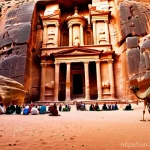
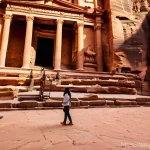
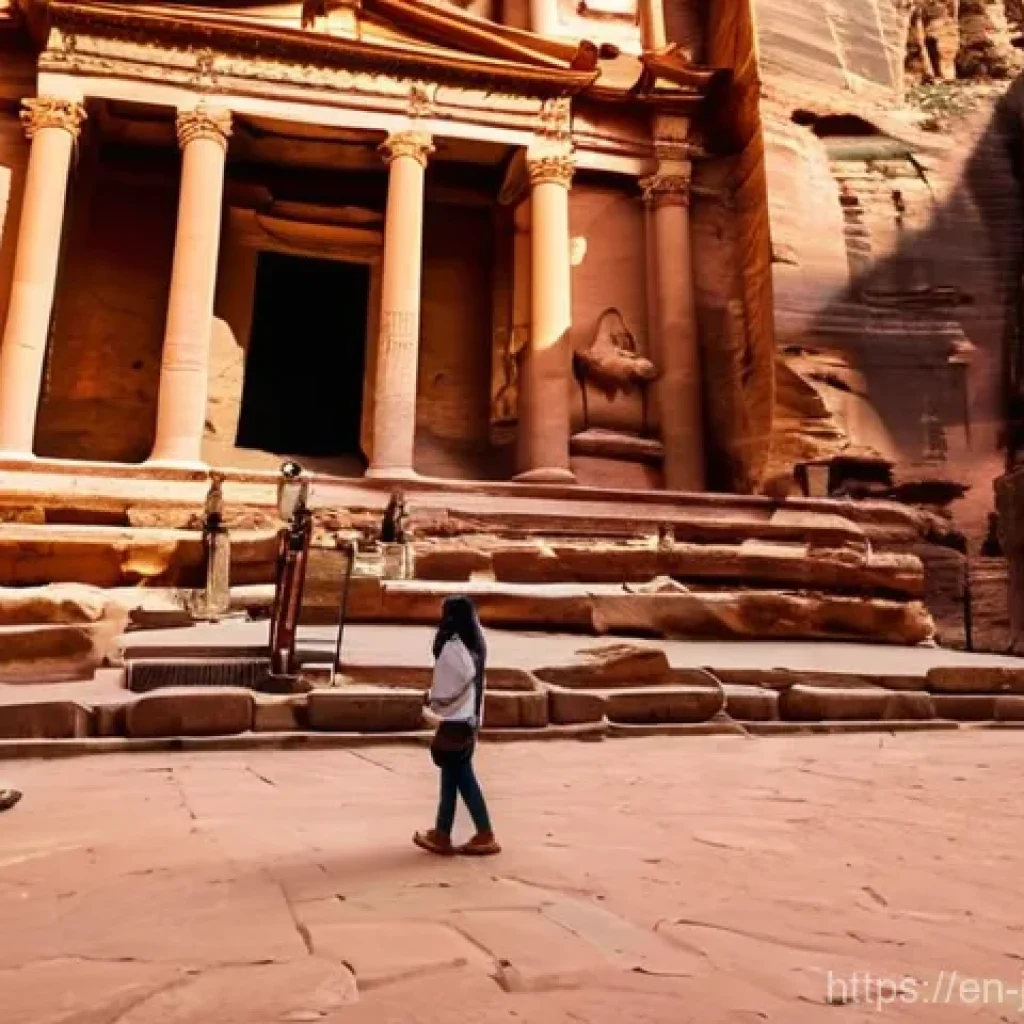
I’ve had the pleasure of wandering through these magnificent places during this period, and honestly, the reduced crowds make a world of difference. You can stand in awe before Al-Khazneh (The Treasury) in Petra and really feel its grandeur without dozens of camera-wielding tourists jostling for space.
The quiet often allows for more reflective moments, letting you truly soak in the history and significance of these marvels. It’s a photographer’s dream too, with softer light and fewer distractions.
Just remember to carry water if you’re not fasting, stay hydrated, and dress modestly – it’s a sign of respect that goes a long way. The slower pace also means you might get more personalized attention from local guides, who seem to appreciate the deeper engagement from visitors during this time.
I’ve found that these quieter days provide an almost spiritual dimension to sightseeing that you simply won’t encounter at other times of the year.
Adapting Your Itinerary with Grace
Successfully navigating Ramadan days in Jordan really boils down to a bit of thoughtful planning and a lot of flexibility. I’ve learned that while many restaurants catering to tourists remain open, it’s wise to double-check their hours, especially outside of major hotel areas.
For those who aren’t fasting, grabbing a discrete coffee or a quick bite can usually be done in larger hotels or designated cafes. The key is to be discreet out of respect for those who are observing the fast.
I personally found that embracing the slower tempo meant planning my more active explorations for the cooler parts of the day or simply saving them for the evenings.
Instead of rushing from one place to another, I’d often enjoy a leisurely morning, visit a site, and then find a quiet spot to read or reflect, preparing for the evening’s festivities.
Public transportation might also operate on a slightly altered schedule, so a little pre-planning on apps or asking your hotel concierge can save you a headache.
It’s all part of the unique adventure, and honestly, it’s a wonderful opportunity to experience Jordan through a different lens, a more patient and appreciative one.
The Grand Iftar: A Feast for the Senses and Soul
Ah, Iftar! If there’s one memory that truly defines my Ramadan experiences in Jordan, it’s the sheer joy and communal spirit surrounding the breaking of the fast.
As the sun begins its descent, you can feel an anticipation building in the air – a collective sigh of relief and excitement. Then, as the Maghrib call to prayer echoes, cities that were calm just moments before burst into life.
The aroma of traditional Jordanian dishes wafts from every home and restaurant, a truly intoxicating symphony of spices and slow-cooked goodness. I’ve been incredibly fortunate to be invited to several family iftars, and let me tell you, there’s nothing quite like it.
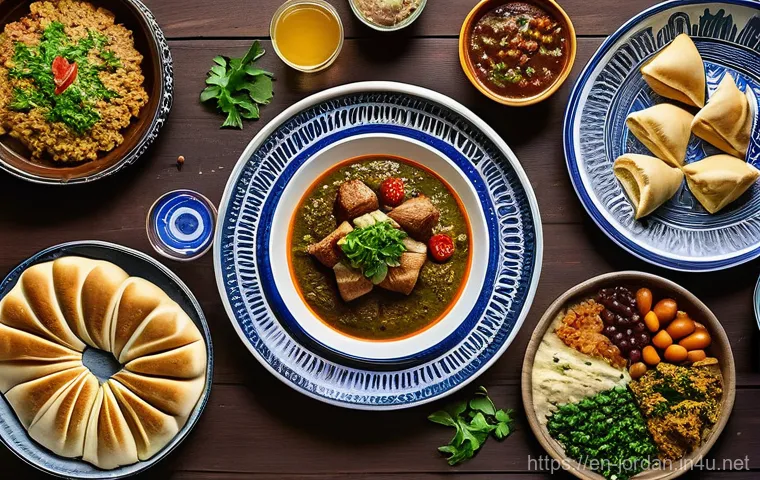
The table groans under the weight of platters piled high with Mansaf, Maqluba, fresh salads, and countless sweets like Qatayef. It’s not just a meal; it’s a celebration of togetherness, gratitude, and blessing.
The conversations flow freely, laughter fills the room, and there’s a palpable sense of warmth and generosity. Even in restaurants, the energy is electric, with families and friends gathering to share this special moment.
It’s an immersive cultural experience that feeds not just your body, but your soul, leaving you with a profound appreciation for Jordanian hospitality and the beauty of their traditions.
Every single time, I leave feeling utterly stuffed and absolutely delighted.
From Dates to Delights: The Iftar Spread
The moment of Iftar traditionally begins with a date and a sip of water or juice, a simple yet powerful act of breaking the fast. From there, the feast truly begins!
I’ve seen Iftar tables laden with an incredible array of dishes, each one more tempting than the last. You’ll almost always find Mansaf, Jordan’s national dish, a magnificent platter of lamb cooked in a fermented dried yogurt sauce (jameed), served over rice and topped with slivered almonds and pine nuts – it’s rich, savory, and utterly delicious.
Then there’s Maqluba, meaning “upside down,” a hearty casserole of meat (often chicken or lamb), rice, and fried vegetables. And let’s not forget the endless variety of mezze: hummus, baba ghanoush, fattoush, and fresh olives.
For sweets, Qatayef, a small pancake filled with walnuts or cheese and drizzled with sugar syrup, is a Ramadan staple. Trust me, you’ll want to try everything!
The flavors are robust, comforting, and tell a story of generations of culinary tradition. I always find myself trying just “one more bite” of everything, completely losing track of time in the process.
Dining Like a Local
While being invited to a local family’s Iftar is a truly special privilege, you can absolutely experience the magic of Iftar at many restaurants across Jordan.
During Ramadan, many eateries, especially in larger cities like Amman, offer special Iftar buffets or set menus that are incredibly popular. These usually include a wide selection of traditional dishes, juices, and desserts, all served right after the call to prayer.
I recommend making reservations, especially if you’re a larger group, as these places get packed quickly. Some hotels also offer lavish Iftar tents or buffets, which can be a more comfortable option if you prefer a quieter atmosphere, though they might be a bit pricier.
Don’t be shy about asking locals for their recommendations – they always know the best spots, often hidden gems that serve the most authentic food. Sharing this meal with others, whether family or fellow diners, is a core part of the Ramadan experience, fostering a sense of community and shared joy that is truly infectious.
It’s an experience that really makes you feel connected to the heartbeat of the place.
Nighttime Magic: Suhoor, Tarawih, and Souk Adventures
When the sun finally sets and the Iftar feast is complete, the magic of Ramadan in Jordan doesn’t end; it simply transforms into a different kind of enchantment.
The evenings truly come alive in a way that’s impossible to describe without having experienced it. After Iftar, many families head out to enjoy the cool evening air, to visit friends and relatives, or simply to stroll through the beautifully lit streets.
The vibe is utterly festive. You’ll hear the melodic recitations of the Quran from mosques during Tarawih prayers, a deeply moving sound that blankets the cities in a spiritual calm.
Then, later into the night, just before dawn, comes Suhoor, the pre-dawn meal that sustains fasters through the next day. It’s another communal event, often quieter than Iftar, but still filled with warmth and companionship.
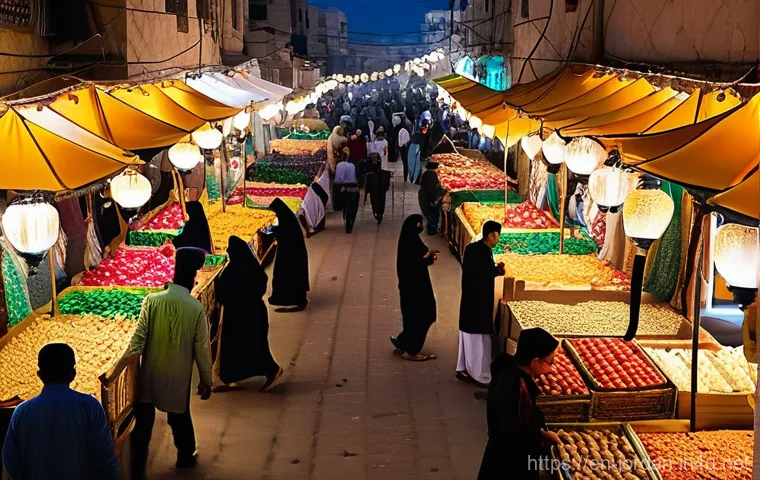
And let’s not forget the souks and night markets! They become vibrant hubs of activity, buzzing with people buying sweets, gifts, and preparing for the next day.
It’s a spectacular display of cultural vitality and a unique opportunity to immerse yourself in the local way of life. I always make sure to schedule my souvenir shopping for these late hours; the atmosphere adds so much to the experience.
The Lively Streets After Dark
After the shared joy of Iftar, the streets of Jordanian cities, particularly Amman, transform into a vibrant spectacle. I love taking evening strolls, just soaking in the atmosphere.
You’ll see families out together, children playing, and friends catching up over tea and sweets. Many shops, which might have been closed or quiet during the day, reopen with enthusiasm, often staying open late into the night.
The souks, especially, become a hive of activity. Imagine the aroma of freshly baked kunafa mingling with the scent of spices and oud, while vendors call out their wares and shoppers leisurely browse.
It’s a sensory overload in the best possible way. I’ve spent hours just wandering through the Old City, watching life unfold, picking up unique handicrafts, and enjoying the festive decorations.
There’s a particular energy that permeates the air, a blend of celebration and peaceful contentment that truly defines Ramadan nights here. It’s the perfect time to experience the pulse of Jordanian daily life outside of fasting hours.
Spiritual Reflections and Late-Night Bites
Beyond the delicious food and lively markets, Ramadan nights offer profound spiritual moments. The Tarawih prayers, special congregational prayers performed after the evening (Isha) prayer, are a beautiful sight and sound.
While these are primarily for Muslims, the melodic recitations of the Quran often carry through the air, creating a serene and spiritual ambiance that even non-observers can appreciate.
Later, as the night deepens, preparations begin for Suhoor, the pre-dawn meal. This is a crucial meal for those fasting, ensuring they have enough energy for the day ahead.
Many restaurants offer special Suhoor menus, and families often gather to eat together before dawn. For visitors, experiencing a Suhoor meal, even if you’re not fasting, can be a fascinating cultural insight.
It’s usually a lighter meal than Iftar, often featuring foul medames (fava beans), eggs, cheese, yogurt, and bread, accompanied by tea. I recall waking up early just to join in on a Suhoor once; it was a quiet, intimate moment that really highlighted the discipline and shared devotion of the month.
Navigating Daily Life: Etiquette and Practical Tips
Visiting Jordan during Ramadan is an incredibly enriching experience, but a little understanding of local customs and etiquette goes a long way. I’ve always found Jordanians to be incredibly welcoming and forgiving of any unintentional missteps, but showing respect for their traditions truly enhances your journey.
It’s not about trying to “fit in” perfectly, but rather demonstrating that you appreciate their culture and the sanctity of the month. One of the biggest things to remember is simply being mindful of those who are fasting.
This means avoiding eating, drinking, or smoking in public during daylight hours. While you can certainly eat in your hotel room or in designated tourist-friendly restaurants, being discreet shows genuine consideration.
I always make sure to carry a water bottle in my bag and only sip it when I’m completely out of public view. Dressing modestly is also key, even more so than usual.
Think loose clothing that covers your shoulders and knees. These small gestures really open doors to more genuine interactions and make your time in Jordan during Ramadan all the more special.
It’s all about mutual respect and celebrating the experience together, even if you’re not participating in the fast yourself.
Respectful Conduct: What to Keep in Mind
During daylight hours, the most important etiquette point is to avoid eating, drinking, or smoking in public spaces. This includes chewing gum. While hotels and some designated restaurants will serve non-fasting guests, it’s best to be discreet about it.
I’ve found that having snacks and water in my bag for private consumption is always a good idea. When interacting with locals, a simple “Ramadan Kareem” (Generous Ramadan) or “Ramadan Mubarak” (Blessed Ramadan) goes a long way in showing goodwill.
Be prepared for potentially slower service in some establishments, as people are fasting and energy levels might be lower. Patience is truly a virtue here!
Dressing modestly is always recommended in Jordan, but it becomes even more important during Ramadan. This means ensuring your shoulders and knees are covered, and avoiding overly tight or revealing clothing.
Remember, it’s a month of heightened spirituality and reflection, and respectful attire mirrors that. I’ve noticed that when you show these small considerations, locals become even more open and friendly, often inviting you to share in their traditions.
Essential Tips for a Smooth Experience
Planning ahead for your Ramadan trip to Jordan can significantly enhance your experience. I always recommend checking opening hours for attractions, shops, and restaurants, as these can vary.
Google Maps usually updates, but a quick call or asking your hotel reception is always a safe bet. Transportation might also be slightly less frequent during peak Iftar times as people rush home to break their fast, so factor that into your plans if you need to be somewhere specific.
Carrying small denominations of Jordanian Dinars (JOD) is always helpful, especially for smaller purchases in souks. Most importantly, stay hydrated after sunset if you’re not fasting, and get enough rest, as the evening activities can extend quite late.
Don’t shy away from engaging with locals; many are eager to share their culture and explain the significance of Ramadan. I’ve found that asking questions respectfully can lead to truly memorable conversations and deeper insights.
Here’s a quick table of common Ramadan phrases that I find incredibly useful:
| English Phrase | Arabic Translation | Usage During Ramadan |
|---|---|---|
| Happy/Generous Ramadan! | Ramadan Kareem! | A common greeting throughout the month. |
| Blessed Ramadan! | Ramadan Mubarak! | Another widely used greeting. |
| May your fasting be accepted. | Taqabbal Allahu Siyamakum. | Can be said to those who are fasting. |
| Iftar meal. | Iftar | The meal to break the fast at sunset. |
| Pre-dawn meal. | Suhoor | The meal eaten before dawn to prepare for fasting. |
Beyond the Fast: Charitable Giving and Community Spirit
While fasting is a central pillar of Ramadan, what truly elevates the month in Jordan, for me, is the overwhelming spirit of charity and community. It’s not just about abstaining from food and drink; it’s about fostering empathy, generosity, and connecting with those less fortunate.
I’ve witnessed firsthand the incredible acts of kindness and solidarity that permeate Jordanian society during this time. Families prepare extra food to share with neighbors, friends, and even strangers.
Mosques and community centers organize large public Iftars, where anyone, regardless of their background, is welcome to break their fast. It’s a powerful reminder of the importance of giving back, of looking beyond oneself and reaching out to others.
The concept of Zakat (obligatory charity) and Sadaqa (voluntary charity) becomes even more pronounced, with individuals and organizations redoubling their efforts to support humanitarian causes.
This palpable sense of collective responsibility and shared humanity is genuinely heartwarming and profoundly inspiring. It’s an aspect of Ramadan that always leaves a lasting impression on my heart, showcasing the very best of human compassion.
The Heart of Giving: Zakat and Sadaqah
During Ramadan, the practices of Zakat and Sadaqah become central to the spiritual experience, and you can really feel their impact across the community.
Zakat, as one of the five pillars of Islam, is an obligatory annual donation made to the poor and needy. Sadaqah, on the other hand, is voluntary charity, and during Ramadan, people are particularly encouraged to increase their giving.
I’ve seen countless examples of this: individuals distributing food packages, organizing clothing drives, or simply offering a helping hand where it’s needed.
Many charities and non-profit organizations step up their efforts during this month, and you might even see donation boxes more prominently displayed.
What strikes me most is that it’s not just about financial contributions; it’s also about giving time and effort. I’ve observed people volunteering to help prepare Iftar meals for the less fortunate, or simply spending time with those who might be isolated.
This emphasis on generosity creates a beautiful ripple effect, strengthening community bonds and ensuring that no one feels left out during this special month.
Witnessing Unwavering Generosity
One of the most moving aspects of experiencing Ramadan in Jordan is witnessing the unwavering generosity of its people. I’ve been amazed by how readily Jordanians share what they have, often extending invitations to complete strangers to join their Iftar meals.
It’s not uncommon to be offered dates or water by passersby just before the call to prayer. I distinctly remember one evening when I was walking near a mosque in Amman, and a group of young men were distributing free meals to anyone walking by.
They insisted I take a plate, even after I explained I wasn’t fasting, simply saying, “It’s Ramadan, please share with us.” That kind of open-heartedness is truly special.
This spirit of giving isn’t just limited to food; it extends to kindness, patience, and a general willingness to help. This communal generosity, I believe, is what truly defines the essence of Ramadan in Jordan, making it not just a religious observation, but a profound human experience of connection and compassion.
Unveiling Jordan’s Beauty During Ramadan: Sightseeing with a Twist
Exploring Jordan’s breathtaking landscapes and historical wonders during Ramadan offers a perspective that’s genuinely unique. It’s not just about what you see, but how you feel it.
I’ve found that the atmosphere imbues even the most famous sites with a different kind of magic. Imagine walking through the ancient city of Petra, not just admiring its carved facades, but feeling the profound silence that often descends during the day, allowing for deeper contemplation.
The vibrant energy of Amman’s ancient Roman Theater seems to resonate differently, perhaps with a touch more solemnity before the evening festivities begin.
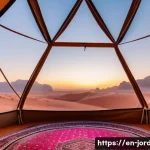
Even the vast, otherworldly desert of Wadi Rum, where I’ve spent several Ramadan evenings, takes on an almost spiritual quality under the clear, star-studded skies.
The reduced crowds mean you often have these magnificent places practically to yourself, allowing for an unparalleled sense of discovery and personal connection.
It’s an opportunity to see Jordan’s beauty through a lens of reflection and cultural immersion, transforming a typical tourist trip into something far more meaningful.
It truly adds another layer to already incredible destinations.
Petra’s Serene Splendor
Visiting Petra during Ramadan is an experience I wholeheartedly recommend. The cooler, quieter daytime hours, coupled with fewer visitors, allow you to truly appreciate the sheer scale and artistry of this Nabataean wonder.
I remember walking through the Siq, the narrow gorge leading to the Treasury, with a profound sense of awe, the silence amplifying the grandeur of the towering cliffs.
You can spend more time examining the intricate carvings, imagining the ancient lives lived there, and simply soaking in the atmosphere without feeling rushed.
While “Petra by Night” might not run every evening during Ramadan (it’s always good to check schedules!), the daytime experience itself gains a unique tranquility.
Just make sure to pace yourself, carry any necessary medications, and remember that even in the quiet, the vastness of Petra still demands a good amount of walking.
I personally found that the serene environment made my visit to Petra even more powerful and deeply moving than my previous trips during busier times.
Amman’s Awakened Evenings
While daytime Amman during Ramadan offers a calmer pace, the city truly awakens in the evenings. After Iftar, the capital transforms into a bustling hub of social activity.
The downtown area, especially around Rainbow Street and the Jabal Amman neighborhood, comes alive with families and friends enjoying late-night meals, sweets, and shisha.
I absolutely love the energy there – the cafes are buzzing, the scent of fresh bread and spices fills the air, and the city lights create a truly enchanting backdrop.
It’s the perfect time to explore the Citadel and the Roman Theater, which are often beautifully lit up, offering spectacular views of the city. Many shops in the older souks also open well into the night, providing excellent opportunities for souvenir hunting and experiencing local commerce.
So, while your daytime explorations might be more subdued, prepare for vibrant, energetic evenings in Amman, full of life, laughter, and delicious treats.
It’s a wonderful contrast that truly captures the spirit of Ramadan.
Making Connections: The Warmth of Jordanian Hospitality
Honestly, if there’s one thing that consistently stands out about my visits to Jordan during Ramadan, it’s the unparalleled warmth of Jordanian hospitality.
I mean, it’s legendary at any time of year, but during this holy month, it reaches an entirely different level. There’s a genuine eagerness to share, to connect, and to make you feel not just welcome, but like family.
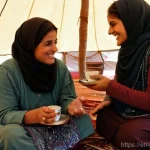
I’ve been invited into homes for Iftar by people I barely knew, shared stories over endless cups of tea, and received countless gestures of kindness from strangers.
This isn’t just polite tourism; it’s a deep-seated cultural value that blossoms beautifully during Ramadan. Fasting creates a shared experience, a common thread that seems to make everyone a little more patient, a little more understanding, and a lot more generous.
These aren’t just transactional interactions; they’re moments of true human connection that enrich your travel experience in ways you can’t even imagine.
It’s these personal encounters, the smiles, the shared laughter, and the unexpected invitations that turn a trip into a treasure trove of cherished memories.
You really leave Jordan feeling like you’ve gained a hundred new friends.
Shared Meals, Shared Stories
One of the most profound ways to experience Jordanian hospitality during Ramadan is through shared meals. I’ve been incredibly lucky to have several opportunities to join local families for Iftar, and each time has been an absolute highlight.
There’s a beautiful intimacy to breaking fast with a family, learning about their traditions, and hearing their stories. Conversations flow easily, often spanning from daily life to cultural insights, and always punctuated with warmth and humor.
Don’t be surprised if you’re encouraged to eat more than you ever thought possible – it’s a sign of their generosity! Even if you don’t receive a direct invitation to a home, many restaurants have a communal vibe during Iftar, and striking up a conversation with fellow diners is very common.
These aren’t just meals; they’re opportunities for genuine cultural exchange, leaving you with a richer understanding of Jordanian life and a heart full of gratitude.
It’s these moments of shared humanity that truly make the experience unforgettable.
Leaving with a Full Heart
By the end of my Ramadan visits to Jordan, I always leave with my luggage full of souvenirs and my heart even fuller with incredible memories and connections.
The generosity, the patience, the genuine curiosity, and the unwavering kindness shown by the Jordanian people are truly remarkable. It’s a powerful testament to the spirit of Ramadan and the inherent goodness I’ve consistently encountered.
You’ll find that locals are often keen to explain their customs and traditions, eager to bridge any cultural gaps with warmth and humor. These aren’t superficial interactions; they are moments that forge real bonds and leave a lasting impression.
I’ve found myself exchanging contact details with new friends, promising to return, and genuinely looking forward to it. If you’re looking for a travel experience that goes beyond mere sightseeing and truly connects you with the heart and soul of a nation and its people, then experiencing Ramadan in Jordan is an absolute must.
It’s an adventure that promises not just beautiful sights, but beautiful human connections that stay with you long after you’ve returned home.
Concluding Thoughts
As my journey through Jordan during Ramadan comes to a close, I find myself filled with an overwhelming sense of gratitude and wonder. It’s truly an experience that transcends typical tourism, offering a profound glimpse into the heart of a vibrant culture and the incredible warmth of its people. Every quiet daytime moment, every joyous Iftar, and every bustling nighttime souk has woven itself into a tapestry of unforgettable memories. This sacred month isn’t just about abstaining from food and drink; it’s about connection, generosity, and an unparalleled spirit of community that embraces you entirely. I honestly believe that experiencing Jordan during Ramadan is an absolute must for anyone seeking a deeper, more meaningful travel adventure, leaving you with not just photos, but genuine, heartfelt connections and a soul-enriching perspective.
Useful Information to Know
1. Respectful Eating and Drinking: During daylight hours, it’s really important to be discreet about eating, drinking, and smoking in public out of respect for those who are observing the fast. While hotels and some designated tourist-friendly restaurants will definitely serve non-fasting guests, I always recommend being mindful of your surroundings and keeping snacks for private moments.
2. Adjusted Schedules: Be prepared for altered operating hours for shops, attractions, and public transport. Many places might close earlier during the day and then reopen with a surge of activity after Iftar, often staying open quite late into the night. A quick double-check with your hotel concierge or local guides is always a smart move to avoid any surprises.
3. Embrace the Evenings: While the daytime can feel wonderfully serene and quieter, the evenings truly come alive with Iftar celebrations, lively social gatherings, and bustling souks. I always advise travelers to plan their more active explorations and social outings to fully enjoy this festive atmosphere and, of course, the incredible food after sunset!
4. Dress Modestly: Modest attire is always a good idea in Jordan, but it becomes even more significant during Ramadan. Opt for loose-fitting clothing that covers your shoulders and knees. This simple gesture of respect for local customs and traditions will genuinely enhance your interactions and overall experience, showing you appreciate their culture.
5. Engage with Locals: Don’t hesitate to greet people with a warm “Ramadan Kareem” (Generous Ramadan) or “Ramadan Mubarak” (Blessed Ramadan) and feel free to ask respectful questions about their traditions. Jordanians are incredibly hospitable, and I’ve found them often eager to share their culture, leading to truly enriching interactions and deeply memorable experiences that you’ll cherish long after your trip.
Key Takeaways
Experiencing Ramadan in Jordan is far more than just a typical tourist trip; it’s an immersive cultural journey that genuinely touches your soul. It’s about consciously slowing down and truly appreciating the profound tranquility of the daytime, then reveling in the infectious joy and communal spirit that absolutely bursts forth during the evenings. You’ll witness unparalleled hospitality and an almost overwhelming generosity, making human connections that truly resonate on a deeper level. Remember to plan your days thoughtfully, always respect local customs with a genuine heart, and most importantly, open your heart to the unique magic this sacred month brings to the Hashemite Kingdom. It’s an adventure that promises not just beautiful sights and delicious food, but deep, lasting memories of warmth and human connection that will stay with you forever.
Frequently Asked Questions (FAQ) 📖
Q: What’s it actually like to eat and drink during the day in Jordan if I’m not fasting during Ramadan?
A: This is a super common question, and honestly, it’s a valid concern for many travelers! From my personal experience, you absolutely don’t need to fast if you’re not Muslim, and Jordanians are incredibly understanding about it.
That said, discretion is key. While you won’t find many local cafes or restaurants openly serving food during fasting hours, especially outside of tourist hubs, your hotel will almost certainly have dining options available.
I always recommend grabbing a hearty breakfast and perhaps stocking up on some snacks and water for the day to enjoy discreetly. When you’re out and about, it’s just good etiquette to avoid openly eating, drinking, or smoking in public spaces.
I’ve found that slipping into a quiet corner or a hotel lobby if you need a quick bite or sip is always appreciated, and locals genuinely respect you for making that effort.
Trust me, the wait for iftar, the breaking of the fast, makes the evening meals taste even more incredible anyway!
Q: Will tourist sites, shops, and other businesses be open during Ramadan, and will I still be able to explore?
A: Absolutely, you can still explore and have an amazing time! This is a misconception that often keeps people away, but honestly, it’s a fantastic time to visit because the atmosphere is so unique.
From what I’ve seen, most major tourist attractions like Petra, Jerash, and Wadi Rum remain open, though their operating hours might be slightly adjusted, usually closing a bit earlier to allow staff to break their fast.
So, it’s a good idea to check specific timings for the places you want to visit each day. Many shops, especially in the bustling downtown areas of Amman, might have shorter daytime hours or close entirely, but they truly come alive after iftar and stay open late into the night.
It’s a completely different rhythm, with a quieter daytime pace that I personally find quite reflective, giving you a unique perspective on these ancient sites.
Then, as the sun sets, the cities buzz with an infectious energy that’s completely unforgettable!
Q: How should I dress and behave to show respect for local customs during Ramadan in Jordan?
A: Showing respect goes a long way, and Jordanians are so genuinely warm and appreciative when you make an effort. When it comes to dressing, I always err on the side of modesty for both men and women during Ramadan.
For ladies, this means favoring longer skirts or trousers, and tops that cover your shoulders and chest – nothing too revealing. For men, shorts that are too short or sleeveless tops might feel out of place, so sticking to trousers or longer shorts and shirts is a good bet.
Beyond clothing, the key is mindfulness. Avoid loud music in public, try to be patient as things might move at a slightly slower pace, and remember to offer greetings like “Ramadan Kareem” (Generous Ramadan) – it’s a small gesture that really connects you with the local spirit.
I’ve found that embracing this respectful approach not only avoids any awkward moments but also often leads to incredibly genuine interactions and invitations from locals eager to share their culture with you.