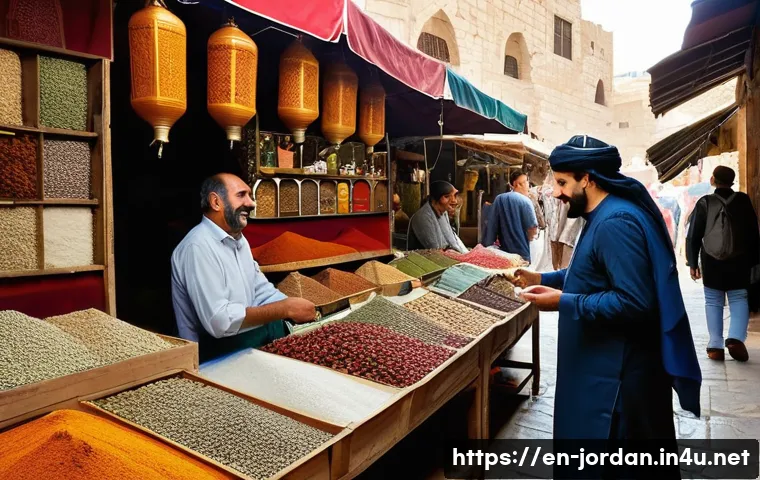
Traveling or working in Jordan often brings up the question: how well can you get by speaking English? While Arabic is the official language, English is widely spoken in cities, tourist spots, and among younger generations.
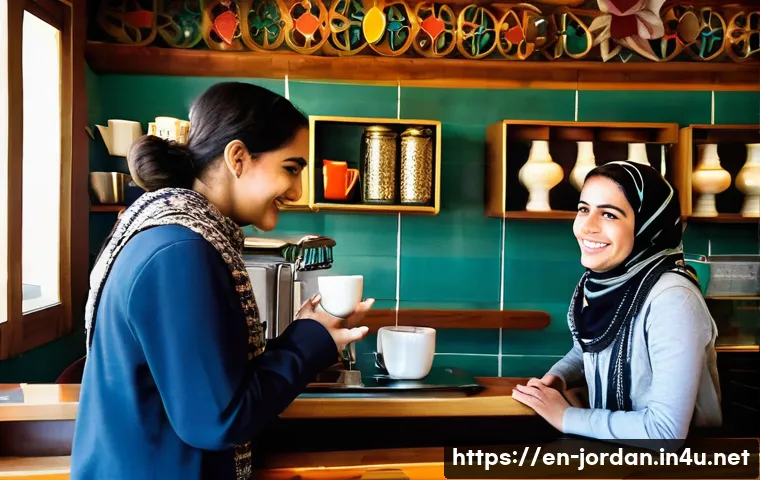
Navigating daily life, from ordering food to asking for directions, becomes smoother with a few simple communication strategies. Understanding local customs and common expressions can also make your interactions more meaningful and respectful.
If you want to blend in and connect better, mastering these tips will definitely boost your confidence. Let’s dive deeper and explore exactly how to communicate effectively in English while in Jordan!
Mastering Everyday English Interactions in Jordan
Using Simple Phrases to Navigate Daily Life
When you’re out and about in Jordan, simplicity is your best friend. I’ve found that sticking to straightforward English phrases like “How much is this?” or “Can you help me?” makes a huge difference.
Locals appreciate when you keep things clear and polite, especially in markets or cafes where English might not be the first language for everyone. Throw in a smile, and you’ll notice how quickly doors open.
Also, asking “Where is the nearest ATM?” or “Do you have Wi-Fi here?” is pretty common and usually understood without any hassle. From my experience, having a small list of these practical sentences saved me from a lot of confusion and helped me feel more confident in everyday situations.
Reading Body Language and Tone
One subtle but powerful tool is paying close attention to non-verbal cues. Jordanians tend to be expressive, and their body language can tell you if they’re open to chatting or prefer to keep things brief.
For instance, if someone leans in slightly or maintains eye contact, it’s a good sign they’re engaged and willing to help. On the other hand, quick glances or stepping back might mean they’re in a rush.
Picking up on these signals has helped me adjust my approach on the spot—whether to keep the conversation light or get straight to the point. It’s a skill that makes your English interactions feel more natural and less awkward.
Politeness and Local Etiquette in English Conversations
Being polite goes a long way in Jordan, and it’s reflected in how people speak English here. Using “please,” “thank you,” and “excuse me” is essential, but there’s also a warm tone behind these words that you’ll want to mimic.
In my experience, a friendly “Good morning” or “Have a nice day” when entering shops or restaurants makes a big difference. Also, addressing people respectfully, like saying “sir” or “ma’am” when appropriate, shows cultural sensitivity.
I noticed that this small effort often leads to friendlier responses and sometimes even invitations to share stories or tea.
Adjusting Your English for Different Settings
Casual Chats vs. Formal Situations
English in Jordan varies quite a bit depending on the setting. When hanging out with younger locals or tourists, casual slang and informal phrases are usually welcomed.
For example, phrases like “What’s up?” or “That’s cool!” are common and create a relaxed vibe. However, in formal settings such as business meetings or government offices, it’s best to stick to clear and professional language.
I learned this the hard way during a meeting where I casually joked around and realized the tone wasn’t quite right. So, always gauge your audience and adjust your language accordingly to avoid misunderstandings.
English in Tourist Areas vs. Everyday Neighborhoods
Tourist spots in Amman, Petra, or Aqaba often have more English speakers, so communication tends to be smoother and quicker. Staff at hotels, restaurants, and tour operators usually speak fluent English, and they’re used to helping international visitors.
But once you step outside these zones, the English proficiency drops a bit. I remember wandering into local markets where English was less common, so I had to rely more on gestures and simple words.
Knowing this difference helped me prepare mentally and carry translation apps as a backup in less touristy areas.
Understanding Common English Mistakes and How to Respond
When speaking English in Jordan, you might encounter people mixing Arabic grammar or pronunciation into their English. For example, you may hear “He go to market” instead of “He goes to the market.” From personal experience, I found it’s best to listen patiently and respond clearly without correcting them harshly.
This encourages more conversation and builds mutual respect. Sometimes, repeating their sentence with the correct grammar subtly helps them learn without feeling embarrassed.
It’s a small but effective way to keep communication flowing smoothly.
Essential Vocabulary and Expressions for Travelers
Food and Dining Terms
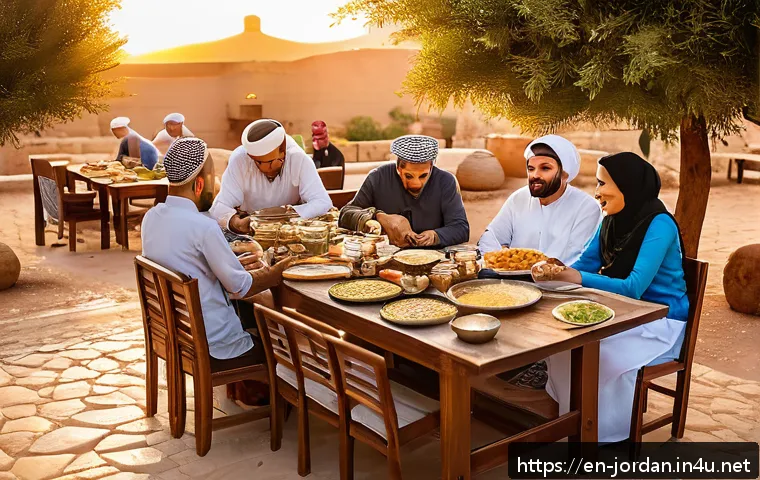
Eating out in Jordan is one of the highlights, and knowing a few key English words related to food can make ordering much easier. Words like “vegetarian,” “spicy,” “allergy,” and “bill” are handy to know.
I often used phrases like “Is this dish spicy?” or “Can I have the bill, please?” which were met with quick and helpful responses. Also, being familiar with popular dishes like hummus, falafel, or mansaf (Jordan’s national dish) and pronouncing them correctly can impress locals and open up friendly chats.
Transportation and Directions Vocabulary
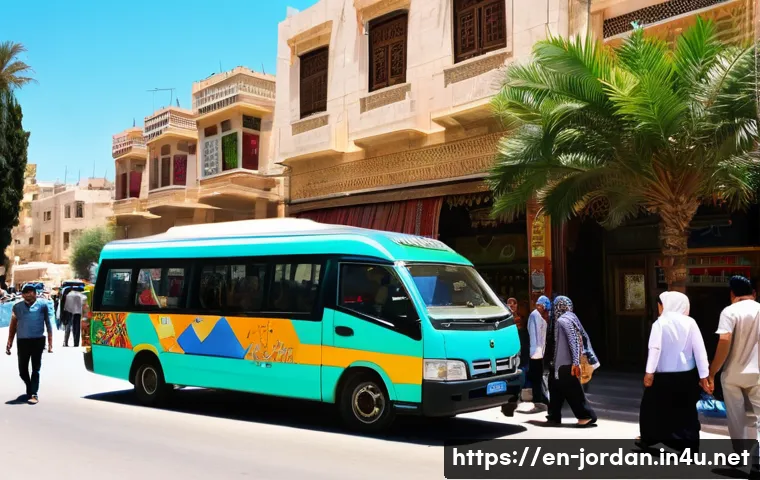
Getting around requires a bit of English knowledge too. Terms like “bus,” “taxi,” “train,” and “station” come up frequently. Asking “How much is a taxi to the airport?” or “Which bus goes to downtown?” helped me avoid overpaying and saved time.
I also learned to recognize common directional words like “left,” “right,” “straight,” and “near.” These simple words combined with pointing gestures worked wonders, especially in busy cities where traffic noise makes hearing difficult.
Emergency and Health-Related Phrases
It’s always good to be prepared with some English phrases for emergencies. Words like “doctor,” “pharmacy,” “hospital,” and “help” are critical. I once had to ask for a pharmacy late at night, and knowing how to say “I need medicine for a headache” clearly made the process much easier.
Also, phrases like “I don’t feel well” or “Is there an emergency room nearby?” can be lifesavers. Don’t hesitate to speak slowly and clearly if you’re in a stressful situation—locals are usually very understanding and willing to assist.
Building Connections Through Language
Engaging with Local Youth
Younger generations in Jordan often have better English skills thanks to education and media exposure. I found that chatting with students or young professionals in English created a fun exchange of cultures and ideas.
Using social media phrases or mentioning popular global trends often sparked lively conversations. They’re usually eager to practice English and learn about your background too.
These interactions added a whole new dimension to my travel experience and helped me see Jordan through fresh eyes.
Using English to Explore Cultural Activities
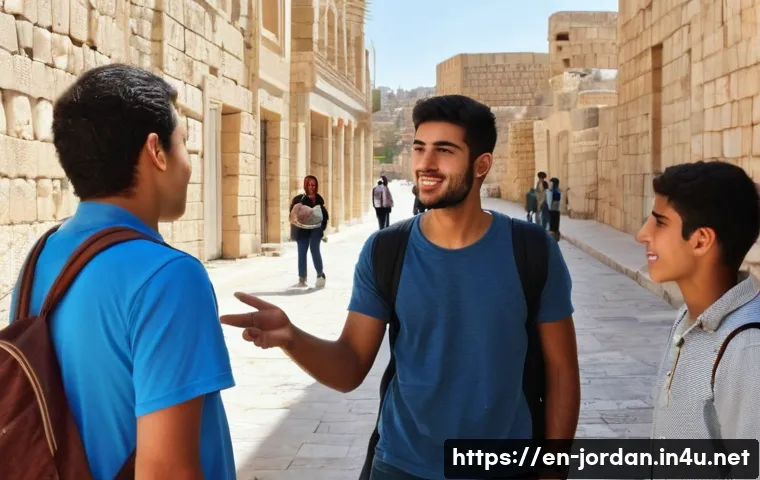
Many cultural sites and museums offer English tours or information. Taking advantage of this not only improves your language skills but also deepens your understanding of Jordan’s rich heritage.
When I joined an English-guided tour at Petra, it was fascinating how the guide mixed storytelling with historical facts, making the experience memorable.
Asking questions during these tours in English often led to more detailed explanations and even personal stories from the guides, which you wouldn’t get otherwise.
Making Friends and Networking
English can be a bridge to forming lasting friendships in Jordan. Whether at language cafes, expat meetups, or volunteer events, speaking English helped me connect with people from all walks of life.
Sharing travel tips, cultural insights, or just chatting about daily life in English felt natural and welcoming. Plus, many Jordanians working in international fields are comfortable in English, which made networking easier.
These connections often turn into valuable resources or travel buddies, enriching your stay significantly.
Practical Tools and Resources to Enhance Your English
Language Apps and Translation Tools
I relied heavily on apps like Google Translate and language learning apps tailored to Arabic speakers learning English. These tools helped me translate signs, menus, and conversations quickly.
One trick I found useful was downloading offline language packs because internet access can be spotty in some areas. Also, voice input features allowed me to pronounce English phrases and hear correct pronunciations, which improved my confidence when speaking.
Local English Language Classes and Meetups
If you’re staying longer in Jordan, joining an English class or conversation group can be a game changer. Many cultural centers and universities offer affordable or free sessions for expats and locals.
I attended a weekly meetup in Amman where people practiced speaking English in a relaxed environment. It was a great way to learn colloquial expressions and get real-time feedback.
Plus, it gave me a sense of community and motivation to keep improving.
Using Media to Practice Listening and Speaking
Watching Jordanian news channels or listening to English podcasts about Jordan can sharpen your listening skills. I discovered that many local radio stations have English segments, which helped me get used to different accents and speeds.
Similarly, YouTube channels featuring travel vlogs or cultural content about Jordan provide practical language exposure. Mimicking phrases and repeating sentences aloud helped me sound more natural and less hesitant.
Common Challenges and How to Overcome Them
Dealing with Language Barriers Gracefully
Even with good English skills, misunderstandings happen. I’ve learned that patience and humor go a long way in these moments. If someone doesn’t understand you, try rephrasing instead of repeating the same words.
Using gestures or drawing simple pictures can bridge the gap. Also, keeping a calm and friendly tone reassures the other person that you’re trying your best, which usually encourages them to help more.
Overcoming Shyness and Building Confidence
Speaking English in a foreign country can be intimidating, especially if you worry about making mistakes. From my experience, the key is to embrace imperfection and keep practicing.
Locals are generally supportive and appreciate your effort to communicate. I recommend starting with small interactions like ordering coffee or asking for directions, then gradually moving on to longer conversations.
Each positive experience builds your confidence and makes the next one easier.
Adapting to Different English Accents and Speeds
Jordan’s English speakers come from diverse backgrounds, so you might encounter various accents—from British-influenced to American or even Indian English.
At first, this can be confusing. I found that focusing on context and key words helped me catch the meaning even if the accent was tricky. Don’t hesitate to politely ask someone to repeat or slow down.
Most people are happy to accommodate and appreciate your effort to understand them better.
| Situation | Helpful English Phrases | Tips for Effective Communication |
|---|---|---|
| Ordering Food | “Is this dish spicy?” “Can I have it without nuts?” “Could you recommend a local dish?” |
Speak slowly, use simple words, and smile. Point to menu items if unsure. Thank staff politely. |
| Asking for Directions | “Where is the nearest bus stop?” “How do I get to the Amman Citadel?” “Is it far from here?” |
Use landmarks in your questions. Repeat directions quietly to confirm. Carry a map or GPS app. |
| Shopping in Markets | “How much does this cost?” “Can you lower the price?” “Do you accept credit cards?” |
Be polite and patient. Smile and engage in light conversation. Use numbers clearly when bargaining. |
| Emergencies | “I need a doctor.” “Where is the nearest pharmacy?” “Can you help me, please?” |
Stay calm and speak clearly. Use gestures if needed. Have emergency numbers saved on your phone. |
Conclusion
Mastering everyday English interactions in Jordan can truly enhance your travel experience and ease daily communication. By using simple phrases, understanding local etiquette, and adjusting your language to different settings, you’ll find it easier to connect with people and navigate various situations. Remember, patience and a friendly attitude go a long way in breaking down language barriers. With practice and an open mind, speaking English in Jordan becomes not just practical but enjoyable.
Useful Tips to Keep in Mind
1. Always carry a small list of essential English phrases to help in common situations like shopping or asking for directions.
2. Pay attention to non-verbal cues such as body language and tone to better understand how to communicate effectively.
3. Be polite and use courteous expressions like “please” and “thank you” to show respect and build rapport.
4. Adjust your English style depending on whether you’re in casual or formal environments for smoother interactions.
5. Use language apps and local meetups to practice and improve your English skills while immersing yourself in the culture.
Key Takeaways
Effective communication in Jordan hinges on simplicity, politeness, and cultural awareness. Keeping your language clear and adapting to the context helps avoid misunderstandings. Embracing local customs and showing genuine interest can open doors to meaningful connections. Preparing with practical vocabulary and being patient with language differences will boost your confidence and enrich your journey. Ultimately, your effort to engage in English creates a positive and memorable experience for both you and the locals.
Frequently Asked Questions (FAQ) 📖
Q: How widely is English spoken in Jordan, especially outside major cities?
A: English is quite common in Jordan’s urban centers like Amman, Aqaba, and Irbid, particularly among younger people and those working in tourism, business, or education.
However, in rural or less touristy areas, Arabic dominates, and English proficiency can be limited. It’s always helpful to learn a few Arabic phrases to bridge any communication gaps when venturing outside cities.
Q: What are some effective communication tips for English speakers traveling in Jordan?
A: From my experience, speaking slowly and clearly helps a lot, as not everyone is fluent in English. Using simple words and gestures can smooth interactions.
Also, showing respect by learning basic Arabic greetings like “Salam” (hello) or “Shukran” (thank you) goes a long way in building rapport. Don’t hesitate to ask locals if they prefer Arabic or English—it shows cultural sensitivity and openness.
Q: Are there any cultural nuances English speakers should be aware of when communicating in Jordan?
A: Definitely. Jordanians appreciate politeness and warmth in conversation. It’s common to engage in small talk before jumping to business or requests, so be patient and friendly.
Also, avoid slang or idioms that might confuse listeners. Understanding and respecting local customs, such as addressing elders formally and being mindful of religious practices, will make your communication more effective and respectful.