Ramadan is a special time in Jordan, where tradition and spirituality come alive in daily life. As this holy month unfolds, understanding local customs becomes essential for anyone visiting or living in the country.
Recently, with more travelers eager to experience authentic cultural moments, knowing how to navigate Ramadan etiquette respectfully can make all the difference.
Whether you’re sharing a meal or simply walking through bustling streets, being mindful of these practices not only shows respect but also enriches your experience.
Let’s dive into key tips that will help you engage thoughtfully during this sacred time.
Embracing the Rhythm of Daily Life During Ramadan
Adjusting Your Schedule to Local Timings
In Jordan, the daily routine during Ramadan shifts significantly to accommodate fasting hours. The day typically starts later than usual since people stay up late for Suhoor, the pre-dawn meal.
Shops and businesses may open later in the morning and close earlier in the afternoon, reopening after Iftar, the evening meal to break the fast. Visitors will notice a slower pace during daylight hours, with many locals conserving energy and focusing on spiritual activities.
Being aware of these timing changes can help you plan your day more effectively and avoid frustration when places are unexpectedly closed or operating on reduced hours.
Respecting Public Spaces and Behavior
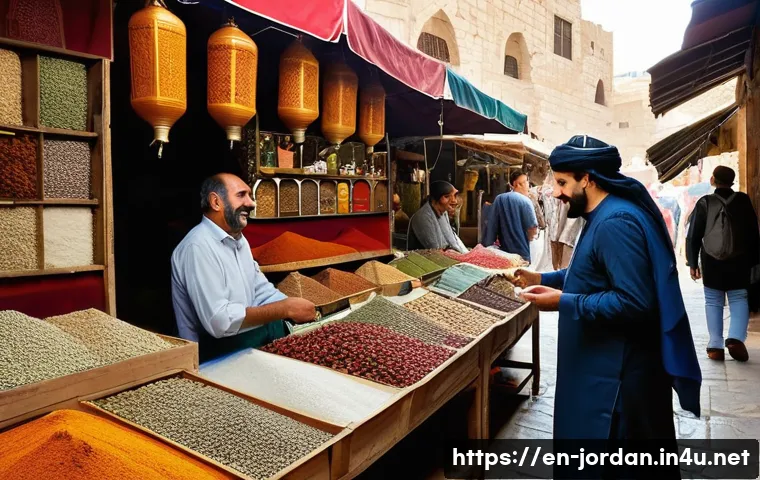
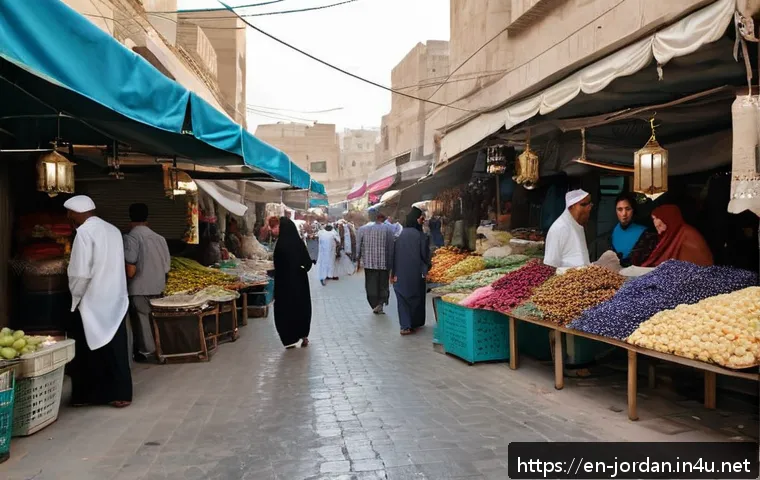
While walking through bustling markets or quiet neighborhoods, it’s important to remain mindful of those who are fasting. Eating, drinking, or smoking in public during daylight hours is generally frowned upon and can be seen as disrespectful.
Even if you’re not fasting, holding off on these activities until after sunset shows cultural sensitivity. You might also observe people engaging more in prayer and quiet reflection, which creates a serene atmosphere.
Adapting your behavior accordingly not only honors local customs but also helps you blend in comfortably.
The Role of Community and Togetherness
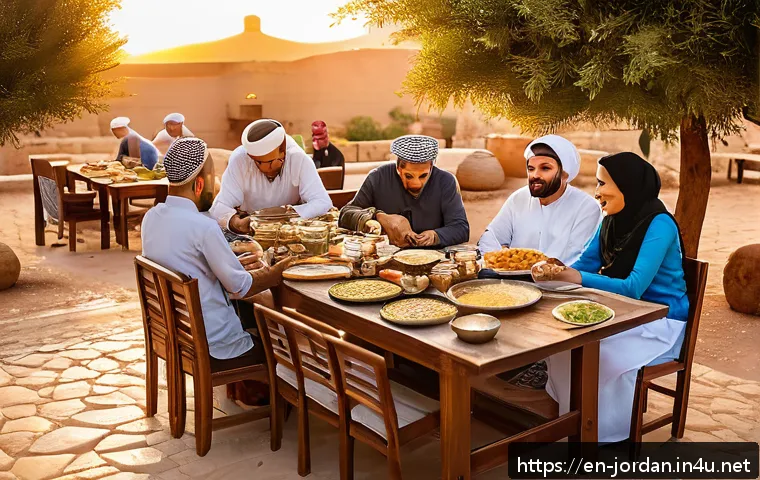
Ramadan in Jordan is deeply communal. Families and friends gather each evening to share Iftar, often inviting neighbors or even strangers to join. It’s common for mosques and community centers to host large Iftar dinners, fostering a spirit of generosity and unity.
If you’re invited to participate, accepting graciously is a wonderful way to connect with locals and experience authentic hospitality. Even if you’re not fasting, attending these gatherings can be an eye-opening experience that highlights the warmth and inclusiveness of Jordanian culture during Ramadan.
Understanding Dining Etiquette and Food Traditions
The Importance of Iftar and Suhoor Meals
Iftar, the meal to break the fast after sunset, is a highlight of each day. It typically begins with dates and water, following the tradition of the Prophet Muhammad, and then progresses to a variety of dishes ranging from hearty soups to grilled meats and fresh salads.
Suhoor, the early morning meal, is lighter but equally important to sustain energy throughout the day. Both meals are occasions for family bonding and spiritual reflection, and they often feature traditional Jordanian foods that vary by region.
Sharing Food and Hospitality Customs
Hospitality reaches its peak during Ramadan, with many households preparing extra food to share with neighbors, friends, and those in need. If you’re offered food, it’s polite to accept at least a small portion as a gesture of respect and appreciation.
Refusing can sometimes be perceived as impolite unless done gently and with an explanation. Also, it’s good to keep in mind that food preparation and presentation are done with care and reverence during this time, so showing gratitude enhances the experience for everyone involved.
Common Ramadan Dishes to Try in Jordan
From the comforting warmth of lentil soup to the rich flavors of Mansaf, Jordan’s national dish, Ramadan menus are diverse and satisfying. Sweet treats like Qatayef, a stuffed pancake dessert, and knafeh, a cheese pastry soaked in syrup, are popular during this month.
Sampling these dishes can be a delicious way to immerse yourself in the culture and understand the significance of food beyond nourishment—it’s about community, celebration, and faith.
Appropriate Dress and Public Conduct
Modesty as a Sign of Respect
Dressing modestly is especially important during Ramadan, reflecting the sacredness of the month. For both men and women, covering shoulders and knees is advisable in public spaces.
Women may also choose to wear a headscarf, though it’s not mandatory for non-Muslims, showing respect for local customs. Wearing loose, comfortable clothing helps cope with the warm climate and the often crowded public places.
Mindful Interactions in Social Settings
During Ramadan, conversations often revolve around spirituality, community, and gratitude. Engaging thoughtfully and avoiding topics that may seem insensitive or controversial helps maintain harmony.
Also, public displays of affection are best minimized, as they can be considered inappropriate during this holy time. Observing how locals interact and mirroring their tone and demeanor can guide you in behaving respectfully.
Understanding Restrictions on Entertainment
Many entertainment venues, such as cinemas and nightclubs, may reduce their hours or close during Ramadan. Loud music or boisterous behavior in public places is often toned down out of respect for the fasting community.
Instead, evenings are more focused on family gatherings, prayer, and quieter socializing. Planning your leisure activities with this in mind ensures a smoother experience and deeper cultural appreciation.
Communicating with Locals and Observing Religious Practices
Using Polite Greetings and Expressions
Simple phrases like “Ramadan Mubarak” (Blessed Ramadan) or “Ramadan Kareem” (Generous Ramadan) go a long way in showing respect and goodwill. Locals appreciate when visitors acknowledge the significance of the month, and these greetings often spark warm conversations.
Even if you’re not fluent in Arabic, learning these few expressions demonstrates effort and openness.
Recognizing Prayer Times and Mosques

Prayer is central during Ramadan, with Muslims praying five times a day and additional Tarawih prayers after Isha (night prayer). You’ll notice calls to prayer echoing across cities and towns, signaling pauses in daily life.
Many mosques open their doors to non-Muslims outside prayer times, offering cultural insight. Observing prayer times can help you avoid interrupting or intruding on sacred moments.
Approaching Invitations and Social Norms
If you receive an invitation to join a prayer or Iftar gathering, accepting is a meaningful way to connect. However, it’s also okay to politely decline if you’re uncomfortable, explaining your reasons respectfully.
Being aware of gender norms, such as men and women praying separately, and following the lead of your hosts ensures smooth interactions. These social nuances enrich your understanding and show genuine respect.
Navigating Business and Professional Settings
Adjusting Expectations for Work Hours
During Ramadan, many workplaces in Jordan modify their hours, often starting later and closing earlier to accommodate fasting employees. Meetings are usually scheduled after Iftar when everyone is more alert and energized.
Understanding this shift helps avoid miscommunications or frustration, especially for travelers on business trips.
Conducting Meetings and Networking
Business interactions tend to be more relaxed and focused on building relationships rather than rushing through agendas. Sharing a cup of tea or coffee after Iftar can be an excellent opportunity for networking.
Patience and flexibility are key, as some colleagues may prioritize spiritual duties or family commitments during this month.
Gift-Giving and Hospitality in Professional Contexts
Bringing small gifts such as dates, sweets, or flowers when visiting clients or partners during Ramadan is appreciated. It reflects thoughtfulness and cultural awareness.
Avoid scheduling important negotiations during fasting hours or just before Iftar, as energy levels may be low. Demonstrating empathy towards colleagues’ fasting schedules strengthens professional bonds.
Respecting Ramadan’s Impact on Travel and Tourism
Planning Sightseeing with Local Customs in Mind
Tourist sites and attractions may have altered hours, closing during the day and opening after sunset. This offers a unique chance to see places illuminated at night, creating a different atmosphere.
Being flexible and checking schedules in advance prevents disappointment and lets you enjoy the festivities as locals do.
Participating in Cultural Events and Festivals
Ramadan nights often feature special events like traditional music performances, storytelling, and communal prayers. Joining these celebrations, when open to tourists, provides deep insight into Jordanian heritage.
Dress modestly and follow local etiquette to fully appreciate these moments without causing disruption.
Travel Etiquette for Non-Fasting Visitors
If you’re not fasting, it’s advisable to be discreet when eating or drinking in public during daylight hours. Using private spaces like hotels or designated restaurants helps maintain respect.
Being patient and understanding when services slow down or change shows cultural sensitivity and improves your overall experience.
Summary Table of Key Ramadan Considerations in Jordan
| Aspect | Considerations | Tips |
|---|---|---|
| Daily Schedule | Business hours shift later; quieter daytime activity | Plan activities after Iftar; check opening hours |
| Public Behavior | No eating, drinking, smoking in public during day | Be discreet; avoid public consumption |
| Dress Code | Modest clothing encouraged; cover shoulders and knees | Wear loose, breathable fabrics; headscarves optional for visitors |
| Social Interactions | Increased hospitality; gender norms observed | Accept invitations politely; respect separate prayer areas |
| Food Traditions | Iftar and Suhoor meals are communal and special | Try local dishes; appreciate sharing culture |
| Religious Practices | Five daily prayers; Tarawih at night | Respect prayer times; avoid interruptions |
| Work and Business | Reduced hours; meetings after Iftar preferred | Be flexible; bring thoughtful gifts |
| Tourism | Attractions may close during day; special night events | Check schedules; participate respectfully in cultural events |
Closing Thoughts
Ramadan in Jordan offers a unique blend of spirituality, community, and cultural richness. Embracing local customs not only deepens your experience but also shows respect for the traditions that shape daily life during this special month. Whether you’re a visitor or a resident, adapting to the rhythm of Ramadan can bring meaningful connections and unforgettable memories.
Helpful Tips to Remember
1. Plan your activities around the adjusted business hours, focusing on evenings after Iftar for the best experience.
2. Show cultural sensitivity by avoiding eating, drinking, or smoking in public during daylight hours.
3. Dress modestly to respect the sacred atmosphere, opting for comfortable and loose clothing.
4. Accept invitations to Iftar and community events as a way to engage and connect authentically.
5. Be patient and flexible in professional and social settings, understanding the impact of fasting on daily routines.
Key Takeaways
Understanding and respecting Ramadan’s influence on daily schedules, social behavior, and public conduct is essential for a smooth and enriching experience in Jordan. Hospitality and generosity define the spirit of the month, making it a perfect time to build relationships and appreciate cultural traditions. Being mindful of prayer times, dress codes, and local etiquette ensures your actions align with the community’s values and enhance your stay during this special period.
Frequently Asked Questions (FAQ) 📖
Q: Is it appropriate to eat or drink in public during Ramadan in Jordan?
A: During Ramadan in Jordan, it’s considered respectful to avoid eating, drinking, or smoking in public places during daylight hours. While it’s not legally prohibited for non-fasting individuals, locals appreciate when visitors show sensitivity by refraining from these activities in public.
Instead, try to eat discreetly in private spaces or designated areas, especially during busy daytime hours. I found that following this simple practice helped me connect better with locals and avoid any awkward moments.
Q: What should I expect when attending an Iftar meal in Jordan?
A: Iftar, the meal that breaks the fast at sunset, is a warm and communal event in Jordan. If you’re invited, expect a generous spread of traditional dishes like dates, lentil soup, and mansaf (the national dish).
It’s polite to arrive on time or slightly after sunset, and to wait for the host to signal the start of the meal. Sharing food and engaging in conversations about Ramadan customs can make the experience memorable.
From my own visits, I noticed that showing genuine interest and gratitude goes a long way in deepening friendships.
Q: How does Ramadan affect daily business and public services in Jordan?
A: During Ramadan, many shops and offices adjust their hours to accommodate fasting schedules, often opening later in the morning and staying open later at night.
Public services may also operate on reduced hours. Traffic patterns can shift, with streets becoming livelier after sunset when people head out for Iftar or Taraweeh prayers.
When I was there, I learned it’s wise to plan errands or meetings around these changes to avoid inconvenience, and to embrace the vibrant evening atmosphere that Ramadan brings to the streets.