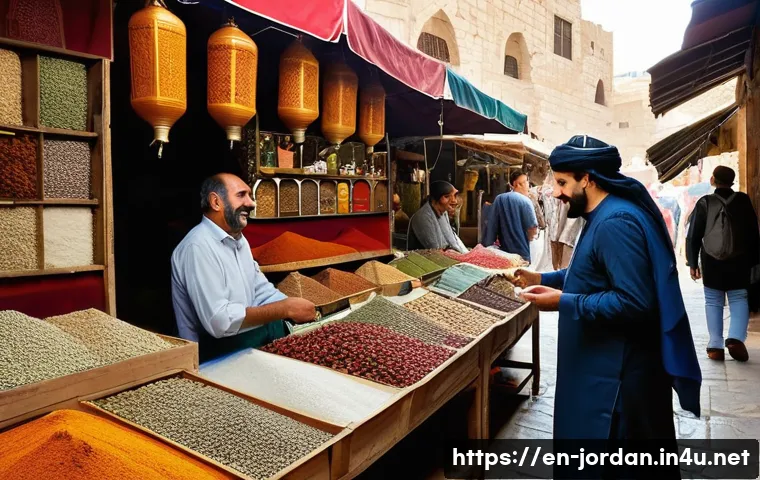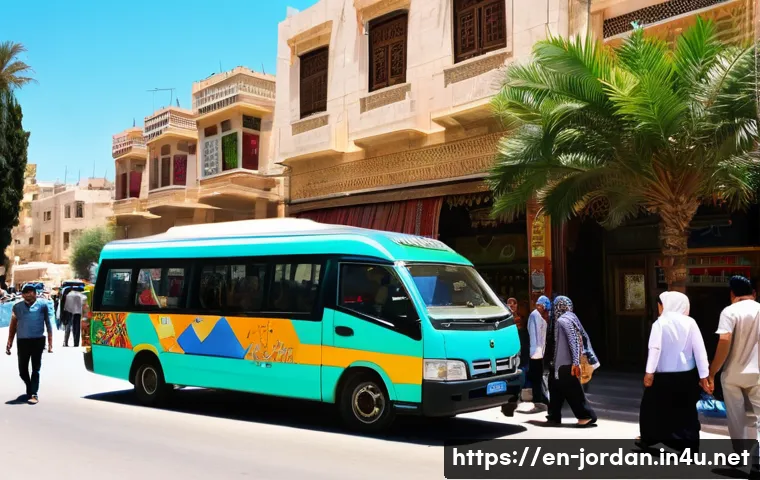
Navigating public transportation in Jordan offers a unique glimpse into the country’s vibrant culture and daily life. From bustling minibusses weaving through Amman’s streets to shared taxis connecting remote towns, understanding how to get around can enhance your travel experience significantly.
While options might seem a bit unconventional compared to Western standards, they’re affordable, efficient, and an adventure in themselves. Whether you’re planning to visit historic sites or explore local markets, knowing the ins and outs of Jordan’s transit system can save you time and money.
Let’s dive into the details to make your journey smoother and more enjoyable! I’ll walk you through everything you need to know, so you’re fully prepared.
Getting Around Amman Like a Local
Exploring the Minibus Network
Minibusses are the lifeline of Amman’s public transit, zipping through the city’s narrow streets and connecting neighborhoods in a way that feels both chaotic and charming.
These small vans don’t follow strict schedules, so timing your ride is more about catching the right moment than reading a timetable. I’ve found that flagging one down at busy corners or main intersections is the easiest way to hop on.
Fares are incredibly cheap—usually just a few Jordanian dinars—and you pay directly to the driver once you board. One thing to keep in mind is that minibusses often fill up quickly and may leave only when packed, so patience is key, but it’s all part of the local hustle.
Shared Taxis: The Fast Lane for Longer Trips
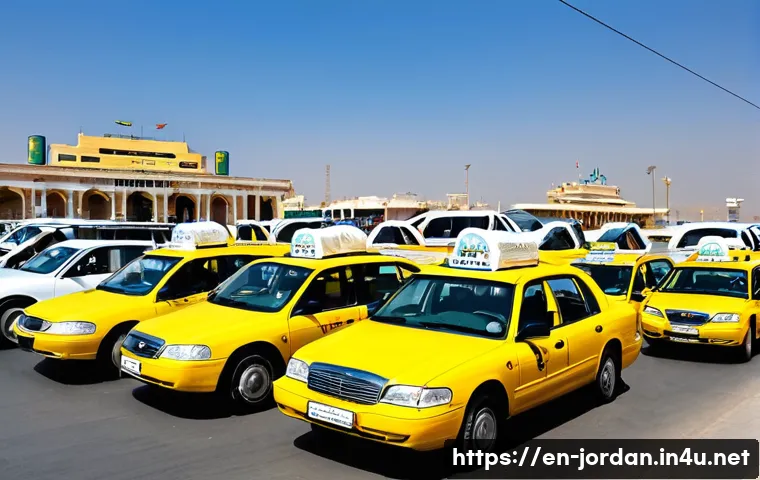
Shared taxis, known locally as “service taxis,” offer a faster, more comfortable alternative for traveling between Amman and nearby towns like Madaba, Jerash, or even the Dead Sea area.
These white or yellow vehicles depart once full, so they combine affordability with a bit of convenience. From personal experience, I’ve noticed that service taxis are especially popular during peak hours, and the drivers tend to be friendly and helpful with directions.
Unlike minibusses, fares here are fixed and slightly higher, but still wallet-friendly. It’s a good idea to clarify your destination before hopping in to avoid any confusion.
Using Public Buses for a Budget-Friendly Ride
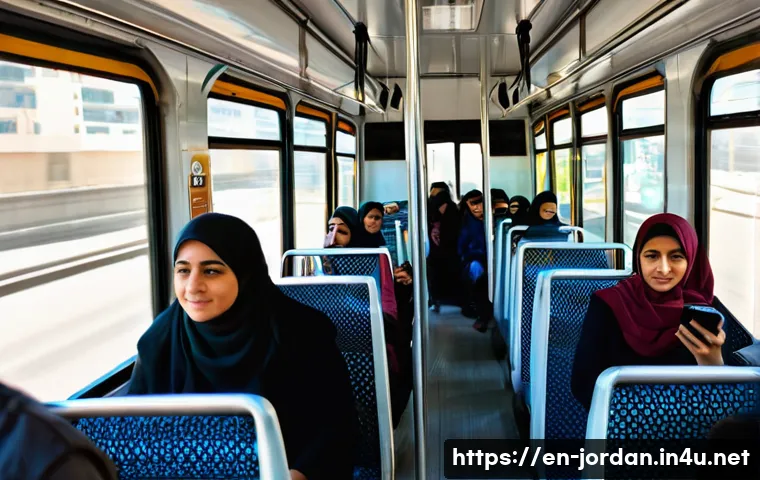
While less common among tourists, public buses in Amman cover many routes across the city and are the most economical choice. The buses may not always be the newest or the fastest, but they run on set routes and schedules, which can be a lifesaver if you prefer structure.
One tip I picked up is to carry small change since drivers don’t usually provide change for larger bills. The buses offer a genuine glimpse into daily life as they’re packed with locals heading to work or school.
For those on a tight budget and a flexible schedule, this option can be surprisingly rewarding.
Understanding Ticketing and Fare Systems
How to Pay and What to Expect
In Jordan, the payment system for public transportation is refreshingly simple. Most minibusses and shared taxis accept cash only, so having small bills or coins ready is crucial.
I’ve often seen people hand over exact change to the driver or conductor, who then passes it along quickly to the next passenger. There’s no need to buy tickets in advance, which can feel a bit informal but adds to the local experience.
For buses, you usually pay upon entering, so be prepared and courteous. The lack of complicated fare cards or digital payment systems might surprise Western travelers but keeps things straightforward.
Typical Fare Range and Cost Comparison
Fares vary depending on the distance and mode of transport but remain affordable across the board. Minibusses within Amman typically cost between 0.30 to 0.50 JOD, while shared taxis for intercity trips range from 2 to 5 JOD, depending on how far you’re headed.
Public buses can be even cheaper, sometimes just 0.20 JOD for short rides. I’ve always appreciated how these low prices allow you to travel extensively without breaking the bank, especially compared to taxi services or car rentals.
Tips for Budget Travelers
If you’re watching your wallet closely, I’d recommend mixing modes—using minibusses for short city hops and shared taxis for longer journeys. Avoiding peak hours can also sometimes lower your chances of paying a premium or getting stuck in traffic.
Carrying a small stash of coins and bills at all times is a lifesaver since change is rarely given. Also, asking locals for fare advice before boarding can prevent you from being overcharged, which occasionally happens to tourists unfamiliar with the system.
Decoding Jordan’s Unique Taxi Culture
Understanding the Difference Between Taxis
In Jordan, taxis come in different shapes and sizes, each serving a distinct purpose. The classic yellow taxi is what most people imagine—operating mainly within cities with meters that sometimes aren’t used strictly.
Then there are “service taxis,” shared rides connecting towns, and private taxis that can be hired for your own schedule. I’ve learned to negotiate fares upfront with yellow taxis since meters aren’t always reliable, and drivers might quote a fixed price instead.
Knowing these differences helps avoid misunderstandings and ensures a smoother ride.
Negotiating and Hailing Taxis
Hailing a taxi in Amman or other cities is straightforward—you just wave one down on the street or find a taxi stand. However, I’ve found that being polite and clear about your destination upfront can make a big difference in fare negotiations.
Many drivers expect a little bargaining, especially for private rides or airport transfers, so don’t hesitate to counteroffer if you feel the price is too high.
Using apps like Uber or Careem is also growing in popularity, providing fixed pricing and added convenience, but traditional taxis remain a popular choice for short, spontaneous trips.
Safety and Comfort Tips
While taxis are generally safe, I always recommend sitting in the front seat when possible and ensuring the driver knows your destination clearly. During busy times, taxis may get crowded, and the air conditioning might be minimal, so dress comfortably.
From personal experience, keeping your belongings close and having your phone handy for navigation or emergency calls adds an extra layer of security.
Overall, taxis offer a quick and flexible way to get around, especially when you’re in a hurry or traveling late at night.
Exploring Regional Connections Beyond Amman
Intercity Minibusses and Their Routes
For those venturing outside the capital, intercity minibusses are a popular and affordable way to explore Jordan’s diverse regions. These minibusses usually depart from central hubs like the Abdali or Tabarbour areas in Amman, heading towards places like Petra, Aqaba, or Irbid.
What’s interesting is that many of these routes don’t operate on strict schedules; instead, they leave once full, which adds a layer of unpredictability but also local flavor.
I’ve often struck up conversations with fellow passengers during these rides, making travel feel like an immersive cultural exchange.
Using Bus Stations Efficiently
Jordan’s main bus stations serve as bustling gateways to the country’s many attractions. Stations can be crowded and hectic, so arriving early helps secure your spot.
I learned that tickets for popular destinations can sell out quickly, especially during holidays or weekends, so booking ahead when possible is wise. Stations typically have basic amenities, but don’t expect luxury—carry snacks and water for longer waits.
Navigating these hubs requires patience but rewards travelers with authentic local interactions.
Alternative Options for Remote Areas
Reaching some remote towns or archaeological sites may require a mix of transportation modes. In some cases, shared taxis or private hires are the only practical options, especially where minibusses don’t run regularly.
From my experience visiting lesser-known spots, arranging transportation through local guesthouses or tour operators can save hassle and ensure you’re not stranded.
These services may cost a bit more but offer peace of mind and convenience, especially when traveling with family or in a group.
Practical Advice for First-Time Riders
How to Read Local Transit Signs and Routes
One of the trickiest parts of using public transportation in Jordan is figuring out where to catch the right vehicle. Many minibusses and taxis don’t have clearly printed routes, relying instead on hand-painted signs or verbal communication.
When I first tried to navigate this, I found it helpful to learn some basic Arabic place names and ask locals for directions. Don’t be shy about showing your destination on your phone or a map—drivers and fellow passengers are usually happy to assist.
Over time, you’ll get a feel for common routes and stop points.
Language Tips for Smooth Communication
While Arabic is the official language, many drivers and conductors understand basic English or respond well to gestures. I’ve noticed that a friendly smile and a few Arabic phrases like “shukran” (thank you) or “kam?” (how much?) can go a long way.
Using simple words and speaking slowly helps avoid misunderstandings, especially when negotiating fares or asking for stops. If you’re tech-savvy, translation apps can be a lifesaver, but local patience and good humor are often your best tools.
Staying Safe and Comfortable on Public Transport
Safety is a priority when navigating unfamiliar transit systems, and Jordan’s public transport is generally safe for solo travelers and families alike.
I always recommend keeping valuables close and staying alert, particularly during busy hours or late at night. Dress comfortably for the climate, as vehicles may not have air conditioning, and bring bottled water for longer journeys.
From personal experience, blending in by observing local customs—like modest dress and polite behavior—helps you avoid unwanted attention and enjoy a hassle-free ride.
Summary of Common Transportation Options in Jordan
| Transport Type | Typical Fare (JOD) | Route Coverage | Convenience Level | Best For |
|---|---|---|---|---|
| Minibusses | 0.30 – 0.50 | Within Amman and nearby towns | Moderate; no fixed schedules | Budget travelers, short city trips |
| Shared Taxis (Service Taxis) | 2 – 5 | Intercity routes | High; departs when full | Faster intercity travel |
| Public Buses | 0.20 – 0.50 | City-wide routes with fixed stops | Moderate; fixed schedules | Structured and cheapest option |
| Private Taxis | Negotiable | Flexible, anywhere | High; on-demand service | Comfort and convenience |
| Ride-hailing Apps (Uber, Careem) | Varies | City-wide | High; fixed pricing | Tourists and tech users |
Maximizing Your Experience with Local Insights
Engaging with Drivers and Fellow Passengers
One of the most memorable parts of using public transport in Jordan is the social interaction. Drivers often share stories or recommendations, and fellow passengers can be surprisingly chatty.
When I first started traveling this way, I was amazed at how much I learned about local culture simply by striking up a conversation. This informal exchange adds a layer of richness to your journey that you won’t get in a private car or tourist shuttle.
It’s a chance to see Jordan through the eyes of its people.
Timing Your Travel to Avoid Crowds
If you’re not a fan of crowded vehicles, try to avoid rush hours—typically early morning and late afternoon. Midday rides tend to be less hectic and more comfortable, especially during the hot summer months.
I’ve found that traveling early on weekends also helps avoid the busiest times. Planning your itinerary around these quieter windows can make a huge difference in how enjoyable your transit experience feels.
Adapting to Unexpected Delays and Changes
Flexibility is key when using Jordan’s public transportation. Delays due to traffic or waiting for a full vehicle are common. On one trip, I ended up waiting almost an hour for a shared taxi to fill up, but the chance to chat with locals and enjoy a street-side coffee made it worthwhile.
Carrying a portable charger for your phone and having backup plans like a ride-hailing app downloaded can ease the stress of unexpected waits. Embracing these quirks transforms minor setbacks into part of the adventure.
Concluding Thoughts
Getting around Amman offers a unique blend of adventure and cultural immersion that goes beyond mere transportation. Whether hopping on a minibus, negotiating with a taxi driver, or sharing a ride to nearby towns, each experience reveals a different layer of Jordanian life. Embracing the local transit system not only saves money but also creates memorable connections with the people and rhythms of the city. With a bit of patience and curiosity, navigating Amman like a local becomes an enriching part of any visit.
Useful Tips to Keep in Mind
1. Always carry small bills and coins to pay fares easily, as change is rarely given.
2. Learn a few basic Arabic phrases or use translation apps to communicate smoothly with drivers and locals.
3. Avoid peak travel times if you prefer less crowded and more comfortable rides.
4. Be prepared for flexible schedules, especially with minibusses and shared taxis that leave only when full.
5. Engage with drivers and fellow passengers to gain local insights and enrich your travel experience.
Key Takeaways for Smooth Travel
Understanding the different transportation options and their fare systems is essential for stress-free travel in Amman and beyond. Minibusses and shared taxis offer affordable and authentic ways to explore, while private taxis and ride-hailing apps add convenience. Being patient with the informal schedules, staying alert for safety, and respecting local customs will help you navigate Jordan’s transit system confidently. Ultimately, embracing the local vibe turns simple travel into a rewarding cultural journey.
Frequently Asked Questions (FAQ) 📖
Q: How do I use public minibusses in
A: mman, and are they safe for tourists? A1: Using minibusses in Amman is quite straightforward once you get the hang of it. These small buses follow specific routes but don’t usually have fixed stops—you can wave one down anywhere along its path.
Fares are very affordable, often just a fraction of a taxi price, making them great for budget travelers. While the experience might feel a bit chaotic compared to Western transit, locals rely on them daily, and many tourists find the lively atmosphere adds to the adventure.
For safety, it’s best to keep an eye on your belongings and avoid traveling late at night. Overall, minibusses are a safe and authentic way to experience the city like a local.
Q: What’s the best way to travel between cities or remote towns in Jordan using public transport?
A: Shared taxis, known locally as “service” taxis, are the go-to option for intercity travel in Jordan. They usually depart once they’re full and can be found at designated taxi stands in major cities like Amman.
These taxis are faster than minibusses and offer a more direct route, making them efficient for reaching places like Petra, Aqaba, or remote towns. Prices are reasonable, but it’s a good idea to agree on the fare before you hop in.
While the schedules might be a bit flexible, the shared taxi system is reliable and widely used by locals, so you’ll get a genuine feel for everyday Jordanian travel.
Q: Are there any tips for tourists to save money and avoid confusion when using public transportation in Jordan?
A: Absolutely! First, learning a few basic Arabic phrases related to directions and destinations can be a game-changer. Also, always carry small bills or coins since drivers often don’t have change for large notes.
It’s helpful to ask locals or your accommodation about the current fares before boarding to avoid being overcharged. Another tip is to travel during the day when routes and stops are easier to navigate.
Finally, downloading offline maps or transit apps can make your journey smoother, especially since signage isn’t always in English. With these simple tricks, you’ll save money and enjoy your ride without stress.