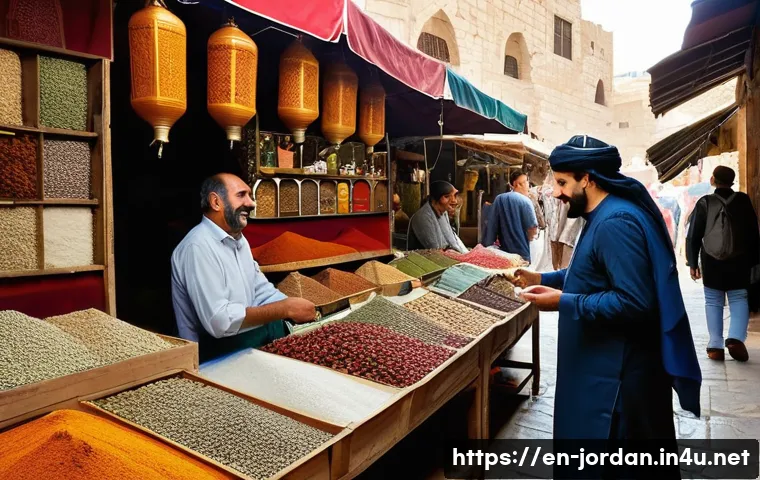
Jordan’s export economy is led by garments, potash, phosphates, fertilizers, pharmaceuticals, and selected food products. Learn which sectors matter, how to compare suppliers, and which shipping, compliance, and landed-cost factors affect an import decision.

Jordan’s leading export products include garments and textiles, potash, phosphates, fertilizers, pharmaceuticals, and selected food and agricultural goods.
The best option depends less on a headline product ranking and more on whether the buyer needs bulk supply, retail-ready manufacturing, or tightly controlled regulated goods.
Bulk importers often focus on mineral and fertilizer-linked products, while apparel buyers need production and compliance checks. Pharmaceutical, chemical, and food buyers should place documentation, testing, and destination-market rules ahead of a low quoted price.
Jordan can be relevant for regional and international sourcing, but current classifications, supplier capability, freight, and import eligibility must be verified before an order is placed.
A structured landed-cost comparison helps buyers decide whether to request supplier quotations, compare freight options, or consult a customs broker first.
At a Glance
- Jordan is widely known for export-oriented garments and textiles, along with potash, phosphates, fertilizers, pharmaceuticals, and selected food products.
- Bulk commodities require specification, contract, and freight planning, while apparel and manufactured goods need samples, audits, and quality-control review.
- Before importing, buyers should confirm origin rules, product classifications, freight terms, and destination-country requirements.
| Product Type | Typical Buyer | Key Supplier Checks | Logistics Needs | Cost-Risk Level |
|---|---|---|---|---|
| Garments and textiles | Brands, wholesalers, private-label retailers | Samples, production capability, specifications, compliance documents | Carton planning, container utilization, freight forwarding | Moderate: quality and delivery consistency matter |
| Potash, phosphates, fertilizers | Industrial buyers, agricultural procurement teams | Product specifications, contract terms, available volume | Bulk shipping coordination, insurance, port handling | Higher: commodity prices and shipping conditions can move |
| Pharmaceuticals and chemicals | Regional distributors, regulated-product purchasers | Registration status, certificates, product documentation, quality controls | Compliance-focused transport and customs clearance | Higher: regulatory and documentation exposure |
| Food and agricultural goods | Importers, food distributors, specialty retailers | Shelf life, packaging, traceability, inspection readiness | Cold chain where needed, timing, import inspection planning | Moderate to high: perishability and border controls matter |
Jordan’s Export Strengths at a Glance
The Main Product Groups Buyers Commonly Evaluate
Jordan’s export profile spans both resource-linked products and manufactured goods. Buyers commonly assess apparel and textile products, potash and phosphate-based products, fertilizers and related chemical products, pharmaceuticals, and selected processed foods, fresh produce, and agricultural goods.
Jewelry, precious metals, and other manufactured products may also appear in trade data. Their relative importance can vary by destination market and by year, so they should not be treated as a fixed sourcing priority without checking current product data.
For an importer, the useful starting point is not simply “What does Jordan export?” The more practical question is: Which category matches my purchasing volume, compliance capacity, margin target, and delivery model?
Why Minerals, Manufacturing, and Pharmaceuticals Require Different Sourcing Approaches
Mineral-related exports such as potash, phosphates, and fertilizers are generally evaluated through specifications, volume, contract structure, freight exposure, and supply continuity. A small difference in packaging, shipment terms, or port handling can affect the final landed price.
Garments and textiles require a different process. Retail buyers need to compare fabric or component specifications, samples, sizing, labeling, production capability, and quality-control procedures. A low factory quote is not useful if the finished goods do not meet the buyer’s product requirements.
Pharmaceuticals and chemical products need the most cautious review. Buyers should verify whether a product can be imported, registered, distributed, or sold in the destination market. Documentation and regulatory acceptance should be checked before commercial negotiations become advanced.
Quick Summary for Importers and Trade Planners
Jordan can be considered for bulk procurement, apparel sourcing, regulated products, and selected food categories. The right route depends on the buyer’s internal capability. A procurement team with commodity experience may prioritize bulk specifications and shipping terms. A fashion retailer may need samples and production oversight. A distributor handling medicines or food products may need regulatory support, testing review, and a customs brokerage plan.
Export Categories Compared for Buyers and Importers
Garments and Textiles: Production Capability, Samples, and Compliance Checks
Jordan is widely recognized for exporting garments and textile products for overseas markets. This makes the sector relevant to apparel brands, wholesalers, uniform buyers, and private-label retailers seeking manufacturing supply rather than a simple commodity purchase.
Before comparing garment supplier quotations, define the product clearly. Confirm materials, construction, sizing, colors, labeling, packaging, requested production quantities, and required documents. Ask for samples where appropriate, because a price comparison without a matched specification can be misleading.
Useful checks for apparel buyers: product sample quality, consistency of specifications, ability to meet labeling requirements, packaging format, and export documentation. Buyers may also need to determine whether destination-market rules impose particular product, safety, or origin requirements.
Freight forwarding choices matter for garments because cartons, container utilization, shipment timing, and delivery reliability can influence the landed cost. Compare supplier terms and transport options using the same product volume and packing assumptions.
Potash, Phosphates, and Fertilizers: Bulk Contracts, Specifications, and Commodity-Price Exposure
Potash and phosphate-based products are important mineral-related exports from Jordan. Fertilizers and chemical products are also linked to the country’s mining and industrial sectors. These categories can interest agricultural procurement teams, industrial users, and buyers managing bulk supply chains.
Here, the purchasing process should begin with a written specification. Buyers should avoid requesting a broad quote for “fertilizer” or “phosphate” without identifying the required product classification, quality parameters, packaging preference, shipment basis, and intended destination.
Commodity-linked purchasing can involve price volatility. Rankings, demand, and export opportunities can change with commodity prices, regional demand, trade agreements, and shipping conditions. A quote should therefore be considered alongside its validity period, product specifications, freight assumptions, insurance, and any conditions attached to delivery.
Bulk contracts also make logistics central. Buyers may need a freight forwarder experienced in the relevant cargo type, plus insurance arrangements and a customs broker that can confirm import procedures. Compare freight options before treating a supplier’s unit price as the final cost.
Pharmaceuticals and Chemicals: Registration, Documentation, and Quality Controls
Jordan has an established pharmaceutical manufacturing sector that exports medicines to regional and international markets. This can be commercially relevant for qualified distributors and procurement teams, but it is not a category for quick price-led purchasing.
Pharmaceutical and chemical buyers should first determine whether the product is permitted and what documentation the destination market requires. Depending on the product and market, this may involve registration, certificates, testing, labeling review, import permissions, or other regulatory documentation. The exact requirements must be confirmed with the relevant authorities or qualified compliance specialists.
Do not assume that an exportable medicine is automatically importable in your market. Supplier capability, current certifications, product status, and destination-country rules all require direct verification.
For these products, a sourcing agent may help with supplier communication and document collection. A customs broker or regulatory adviser can help clarify entry requirements, while a trade-finance provider may be relevant when contract values or payment risk justify formal payment protection.
Food and Agricultural Goods: Shelf Life, Cold Chain, and Import Inspection Requirements
Processed foods, fresh produce, and selected agricultural products also contribute to Jordan’s exports. These categories may fit food distributors, specialty retailers, restaurants, and importers serving regional consumer markets.
Food sourcing requires attention to shelf life, packaging integrity, traceability, storage conditions, and inspection requirements. Fresh products may require time-sensitive transport planning and cold-chain coordination. Processed goods may be easier to manage operationally, but buyers still need to check ingredient rules, labeling, product classification, and import inspection procedures.
Ask suppliers for the documents relevant to your product and destination. Then compare the product cost with packaging, temperature-controlled logistics where needed, insurance, border clearance, and potential testing costs. A lower ex-factory price can lose its advantage if a shipment faces avoidable delays or compliance gaps.
Cost, Freight, and Landed-Price Factors to Review
Supplier Quotation Terms and Minimum Order Quantities
A supplier quotation should be comparable before it is considered competitive. Request the same product specifications, order volume, packaging format, delivery terms, and currency basis from each potential supplier. Individual supplier pricing, minimum order quantities, capacity, and certifications are not fixed facts; buyers need to confirm them directly.
For garments, the comparison may include samples and production requirements. For minerals and fertilizers, it may include bulk specifications and shipment structure. For pharmaceuticals, food, and chemicals, it should include documentation and compliance readiness as well as the product price.
Packaging, Container Utilization, and Freight Forwarding Costs
Freight forwarding is a core part of an import decision, not an afterthought. Packaging can affect cargo protection, container utilization, handling needs, and total freight expense. The right transport approach depends on product type, volume, urgency, storage requirements, and destination.
Request freight comparisons based on the same cargo description and shipment assumptions. Confirm whether quoted logistics services include inland transport, port charges, documentation handling, insurance support, or only a portion of the shipment route. Current freight rates and transit times must be checked at the time of booking.
A freight forwarder can be particularly useful when a buyer is new to the route, has mixed cargo, needs temperature-controlled transport, or wants help coordinating shipping documents.

Customs Duties, Product Testing, Insurance, and Destination-Market Compliance
Your landed cost is broader than the supplier’s unit price. It may include the goods price, export packing, freight, insurance, duties, customs clearance, product testing, inspections, local delivery, and compliance-related expenses.
Preferential tariff treatment may be available in some cases, but eligibility cannot be assumed. Buyers should confirm origin requirements, product classification, and destination-market rules before relying on a tariff preference. A customs broker can help review the classification and import process for the actual product.
Insurance should also be considered according to the shipment’s value, route, cargo type, and agreed responsibility for risk. It is best assessed as part of the transport plan rather than added only after a problem occurs.
Practical Sourcing Steps and Common Mistakes
Verify Product Specifications Before Comparing Quotes
The most common comparison mistake is treating two quotes as equivalent when they cover different products or terms. Create one buyer specification sheet and use it for every supplier inquiry. Include product description, required standards, packing format, order volume, desired delivery arrangement, and destination.
This is especially important for fertilizers, chemicals, pharmaceuticals, food products, and textiles, where a broad category name does not reveal the full commercial or regulatory requirement.
Request Samples, Certificates, and Export Documentation Where Relevant
Samples are practical for garments, textiles, processed foods, and many manufactured goods. They allow a buyer to review the actual product before placing a larger order. For regulated goods, product documentation may be at least as important as a physical sample.
Request the relevant certificates and export documents where applicable, but do not treat a document as sufficient without verifying its relevance to the destination market and the exact item being purchased. Product classifications, origin requirements, and import rules should be confirmed before finalizing the transaction.
Avoid Comparing Unit Prices Without Calculating Total Landed Cost
A low unit price can conceal higher downstream costs. Use a simple landed-cost checklist:
- Unit price: Confirm the specification and quotation terms.
- Packaging: Check whether it meets handling, retail, or regulatory needs.
- Freight: Compare routing and cargo assumptions from freight forwarders.
- Insurance: Review responsibility and coverage needs.
- Duties and customs clearance: Confirm classification and import treatment.
- Testing and compliance: Include expected review, inspection, or documentation costs.
This approach gives procurement teams a clearer basis for deciding whether a Jordanian supplier is commercially suitable.
Which Jordanian Export Sectors Fit Different Buyer Needs?
Bulk Commodity Buyers and Industrial Procurement Teams
Potash, phosphate-based products, fertilizers, and related industrial exports may fit buyers that can manage volume procurement, technical specifications, and freight planning. These buyers should prioritize supply terms, specification accuracy, shipping arrangements, and exposure to changing commodity or transport conditions.
Where cargo values or payment terms create meaningful commercial risk, trade-finance options may be worth reviewing. The suitable structure depends on the parties, contract terms, and the buyer’s risk process.
Apparel Brands, Wholesalers, and Private-Label Retailers
Jordanian garments and textiles may be practical for buyers that can define a product specification, review samples, and monitor quality requirements. The right fit is not determined by a generic apparel quote. It depends on the supplier’s current production capability, order expectations, compliance needs, and ability to meet the buyer’s product requirements.
Private-label buyers should compare factory communication, sample handling, packaging requirements, and freight planning alongside quoted price. A sourcing agent can be useful when the buyer needs local coordination or structured supplier follow-up.
Regional Distributors of Pharmaceuticals, Food, and Consumer Goods
Pharmaceutical, food, chemical, and consumer-goods distributors should start with market access. Confirm whether the item can enter the destination market, what documents are required, and whether testing, registration, labeling, or inspection steps apply.
For these buyers, the best supplier is often not the one with the lowest initial quote. It is the one that can provide the required product information and support a predictable compliance and logistics process.
Selection Criteria and Comparison Summary
Before contacting exporters or service providers, compare these decision points:
- Product fit: Is the item suited to bulk procurement, retail sourcing, or regulated distribution?
- Specification match: Are all suppliers quoting the same product, packaging, and shipment basis?
- Regulatory complexity: Do registration, testing, labeling, or origin rules apply in the destination market?
- Landed cost: Have freight, insurance, duties, customs clearance, and possible testing costs been included?
- Supply continuity: Can the supplier support the expected volume and delivery schedule?
- Operational support: Do you need a sourcing agent, freight forwarder, customs broker, or trade-finance provider?
Request supplier quotations using one clear specification sheet, compare freight options using the same cargo details, and check customs requirements before making a final sourcing decision. Official guidance and detailed service conditions should be reviewed directly with the relevant provider or authority.
Final Thoughts
Jordan’s export strengths cover a useful mix of garments, mineral-related products, fertilizers, pharmaceuticals, and selected food goods. Each category has a different buying process, so a single sourcing template will not work for every shipment.
For bulk products, concentrate on specifications, contract terms, and logistics. For apparel, prioritize samples, production capability, and quality controls. For pharmaceuticals, chemicals, and food products, make compliance and destination-market eligibility the first checkpoint.
A careful landed-cost comparison can turn a broad export opportunity into a practical import decision.
Useful Things to Know
1. Export product rankings can change with commodity prices, demand, trade agreements, and shipping conditions.
2. A product category may be exported from Jordan without automatically qualifying for preferential tariff treatment in your market.
3. Freight rates, transit times, customs duties, and insurance costs should be requested and checked when planning the actual shipment.
4. Customs brokers and freight forwarders can help translate product details into a workable import plan.
Important Notes
This overview does not establish current export rankings, supplier prices, production capacity, minimum order quantities, certifications, tariff eligibility, freight costs, transit times, insurance costs, or customs duties. These details vary by product, supplier, destination, shipment terms, and timing. Buyers should confirm current product classifications, origin requirements, and import rules before placing orders or signing contracts.
Frequently Asked Questions
Q1. What are Jordan’s best-known export products?
A1. Jordan is widely known for exporting garments and textile products, potash, phosphate-based products, fertilizers, pharmaceuticals, and selected processed foods, fresh produce, and agricultural goods. Jewelry, precious metals, and other manufactured goods may also appear in export data, with importance varying by year and destination.
Q2. Are Jordanian garments a practical option for international apparel sourcing?
A2. They may be practical for brands, wholesalers, and private-label retailers that can assess samples, product specifications, production capability, packaging, and compliance needs. Buyers should verify the supplier’s current capacity, minimum order quantities, certifications, and destination-market requirements before ordering.
Q3. What costs should an importer include when comparing products from Jordan?
A3. Include the supplier’s unit price, packaging, freight, insurance, customs duties, customs clearance, testing or inspection costs where relevant, local delivery, and destination-market compliance expenses. Comparing these items together provides a more useful landed-cost estimate than comparing unit prices alone.